What Is Logistics and What Does It Do – 5 Key Components Explained

What Is Logistics and What Does It Do 5 Key Components Explained

What Is Logistics and What Does It Do – 5 Key Components Explained

Introduction

Logistics is what keeps goods moving smoothly in a complex and fast paced economy. From daily deliveries to large scale freight movements, logistics ensures that products reach their destination efficiently, safely, and on schedule. While it often operates behind the scenes, logistics has a direct impact on cost control, service quality, and overall business performance.

In this article, we break down what logistics is, how it works, and why it matters for businesses today. We explore the core functions of logistics management, explain how logistics differs from supply chain management, and highlight the growing influence of technology and sustainability. Drawing from real world experience in local distribution and cross border transportation, this guide offers practical insight into how effective logistics supports reliability, growth, and long term success.

Table of Contents
Introduction
Understanding Logistics Beyond Moving Goods
Why Logistics Matters for Business Success
The Core Pillars of Logistics Management
5 Essential Components of a Smooth Logistics Process
Logistics Vs. Supply Chain Management: What Is the Difference
Import and Export Logistics in Global Trade
Outsourcing Vs. In-House Logistics: Choosing the Right Model
The Human Side Roles and Careers in the Logistics Industry
Debunking 4 Common Misconceptions About Logistics
How Technology Is Transforming Modern Logistics
Sustainability and the Future of Green Logistics
Conclusion

Understanding Logistics Beyond Moving Goods

Logistics is often mistaken as simple transportation. In reality, it is a structured system that involves planning, coordination, storage, and execution. The concept originated from military operations, where precise planning was required to move supplies efficiently. Over time, this discipline evolved into a core part of commercial operations.

Modern logistics manages how goods are sourced, handled, stored, and delivered. It connects suppliers, warehouses, transport providers, and customers into one coordinated flow. When logistics is managed well, businesses gain better control over costs, timelines, and service quality. Research shows that logistics is not just about moving goods but plays a strategic role in coordinating the entire flow of materials and information to meet customer needs efficiently.

Why Logistics Matters for Business Success

Logistics has a direct influence on how a business operates and how it is perceived by customers. Delays, missing items, or damaged goods often point back to weak logistics planning.

Strong logistics improves operational efficiency by reducing unnecessary movement and wasted time. It also supports customer satisfaction by delivering consistency and reliability. As customer expectations rise and competition increases, logistics is no longer just a support function. It has become a key contributor to business performance and reputation.

The Core Pillars of Logistics Management

Effective logistics management relies on several interrelated pillars:

  • Inbound logistics focuses on receiving goods from suppliers, including scheduling, transport coordination, and inspections.
  • Outbound logistics ensures finished goods reach customers, distribution points, or retail outlets accurately and on time.
  • Fleet management keeps vehicles well maintained, fuel efficient, and deployed along optimised routes.
  • Warehousing supports safe storage, accurate inventory tracking, and efficient order preparation.

When these pillars are aligned, logistics operations become more predictable, cost-effective, and reliable.

5 Essential Components of a Smooth Logistics Process
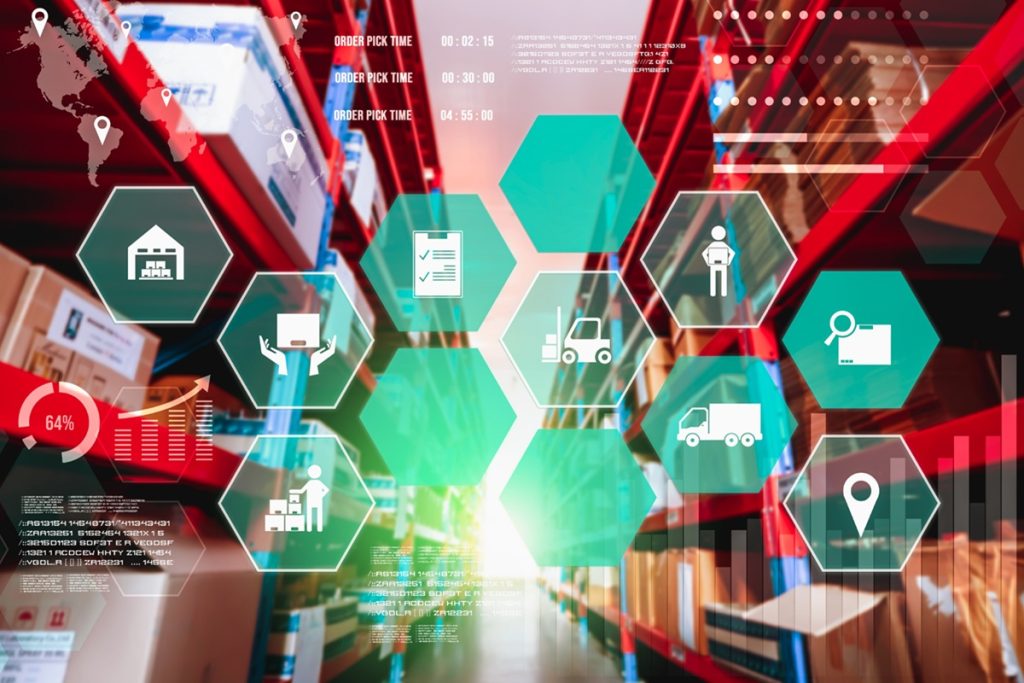
5 Essential Components of a Smooth Logistics Process

A smooth logistics process relies on careful coordination across multiple stages. Each stage has a specific purpose, and attention to detail ensures that goods move efficiently and reach the intended destination safely. Below is a detailed look at the key components:

1. Planning 

Planning is the foundation of any successful logistics operation. It involves understanding the type of goods, delivery timelines, and the appropriate modes of transport, whether road, sea, or air. Accurate planning allows businesses to anticipate potential challenges such as traffic congestion, seasonal demand spikes, or customs processing delays. At this stage, decisions about batch shipments, consolidation of orders, or the use of dedicated vehicles are also made. Proper planning ensures the whole logistics chain operates smoothly and cost-effectively.

2. Collection and Transport 

Once planning is in place, goods are collected from suppliers or production sites and transported to warehouses or directly to customers. Efficient collection and transport depend on route optimisation, vehicle scheduling, and coordination with drivers or third-party carriers. Using reliable transport methods reduces the risk of delays, damage, or lost shipments. For example, in cross border scenarios, coordinating documentation and customs clearance ahead of time is crucial to avoid holdups at checkpoints.

3. Warehousing and Inventory Management 

Warehousing and inventory management are more than just storing goods. Effective warehousing involves categorising items, tracking stock levels, and ensuring quick access for order fulfilment. Inventory management uses data to monitor stock turnover, prevent overstocking or shortages, and forecast future demand. A well-organised warehouse ensures faster picking, reduces errors, and allows businesses to maintain consistent supply to their customers.

4. Order Preparation 

Order preparation involves packing goods appropriately, labelling them correctly, and organising orders for timely dispatch. Proper packaging ensures products are protected during handling and transportation, while clear labeling facilitates accurate delivery. Businesses often use barcode systems or digital tracking to minimise errors and speed up the process. This step bridges the gap between storage and distribution, ensuring that goods leave the warehouse ready for safe transit.

5. Last-Mile Delivery

Last-mile delivery refers to the final stage of the logistics process, where goods move from a distribution point to the end customer. Despite being the shortest distance in the supply chain, it is often the most demanding due to tight delivery windows, access restrictions, and the need for precise coordination.

Reliable last-mile delivery depends on accurate route planning, suitable vehicle selection, and consistent execution. Based on our experience, businesses benefit from structured local distribution services that can handle daily deliveries efficiently while adapting to different cargo sizes and delivery requirements. A well managed local distribution network helps reduce delays, minimise handling errors, and maintain service consistency at scale.

Clear coordination at each stage reduces errors and delays, ensuring a smooth overall operation.

Logistics Vs. Supply Chain Management: What Is the Difference

Although closely related, logistics and supply chain management serve different purposes.

AspectLogisticsSupply Chain Management
Main focusMovement and storage of goodsEnd to end coordination
ScopeOperationalStrategic and operational
Key activitiesTransport warehousing deliverySourcing production distribution
ObjectiveEfficient executionOverall optimisation

Understanding this distinction helps businesses align strategy with execution more effectively.

Import and Export Logistics in Global Trade

Import and export logistics plays a central role in enabling regional and international trade. It involves coordinating transportation, managing shipping documentation, and ensuring compliance with customs and regulatory requirements. Any disruption at this stage can lead to costly delays and supply chain interruptions.

For land based trade, especially between neighbouring markets, dependable cross border transport is essential. We support these movements through established cross border trucking services that cover consolidation, door to door deliveries, trans shipment arrangements, and chartered trucking solutions. By managing these elements in a structured manner, businesses gain better visibility, improved transit reliability, and smoother cargo movement across borders.

Outsourcing Vs. In-House Logistics: Choosing the Right Model

Businesses can choose to manage logistics internally or partner with a logistics provider.

FactorIn-house logisticsOutsourced logistics
Cost structureHigher fixed costsFlexible cost model
ExpertiseInternal knowledge onlyAccess to specialists
ScalabilityLimited flexibilityEasier to scale
Risk managementFully internalShared responsibility

Outsourcing allows companies to access established delivery networks, operational expertise, and scalable transport capacity without large fixed investments.

In practice, businesses with regular delivery needs often rely on dedicated local distribution capabilities, while those involved in regional trade benefit from structured cross border trucking arrangements. Choosing the right model depends on delivery frequency, cargo type, and long term operational goals.

The Human Side Roles and Careers in the Logistics Industry
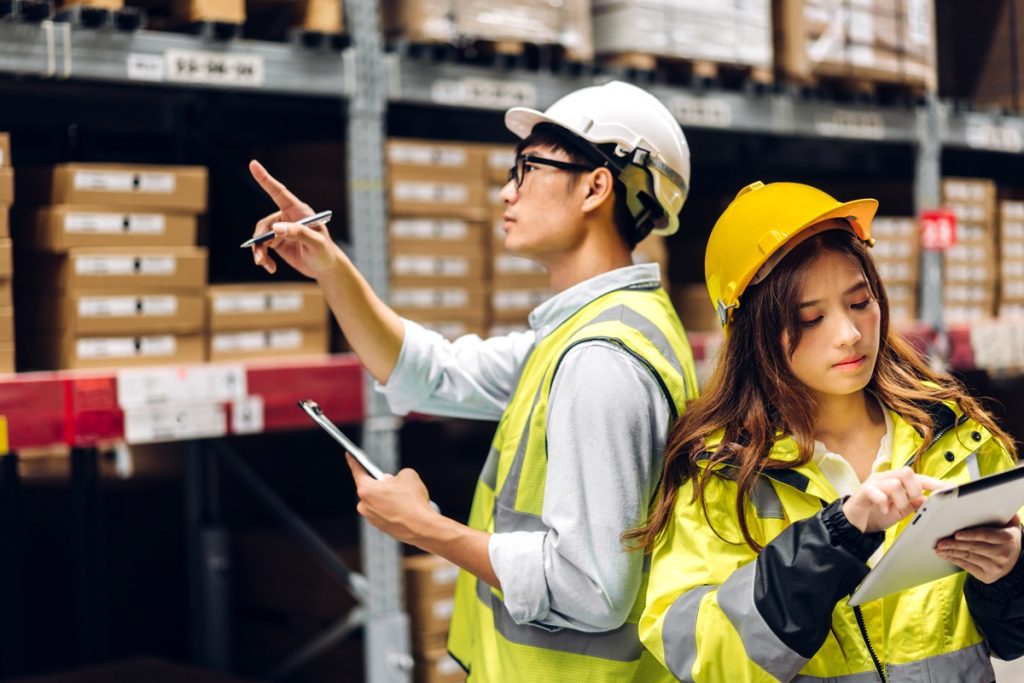
The Human Side Roles and Careers in the Logistics Industry

Logistics relies on skilled professionals who ensure the smooth flow of goods across the supply chain. One key role is the logistics manager, responsible for strategic planning, resource allocation, and ensuring operations meet timelines and budget requirements. Logistics managers also coordinate with suppliers, transport providers, and warehouse teams to prevent disruptions and optimise efficiency.

Logistics coordinators act as the operational backbone, managing day-to-day communication between transport teams, warehouses, and customers. They handle issues such as delays, re-routing shipments, and coordinating last minute changes to ensure customer expectations are met.

Supply chain analysts focus on monitoring performance, analysing data, and identifying inefficiencies. They use insights from key performance indicators to propose improvements, such as optimising delivery routes, improving inventory management, or reducing lead times.

Other important roles include warehouse supervisors, responsible for organising inventory, overseeing order picking, and ensuring safety compliance, and transport planners, who schedule vehicles and ensure timely deliveries.

A common misconception is that logistics is purely manual work. In reality, logistics combines operational expertise with problem-solving, planning, and strategic thinking. Professionals must anticipate disruptions, respond quickly to changes, and make decisions that directly affect business performance. Careers in logistics now require both technical skills and critical thinking, making it a dynamic and rewarding field.

Debunking 4 Common Misconceptions About Logistics

1. Logistics is Purely Physical Work

One common misconception is that logistics is purely physical work. While moving goods is certainly part of the role, modern logistics depends just as much on planning, analysis, and sound decision making. Professionals are constantly managing inventory levels, tracking delivery performance, and anticipating potential disruptions across the supply chain. These decisions directly affect efficiency, cost control, and service reliability.

2. Logistics Only Involves Trucks and Warehouses

Another widespread myth is that logistics only involves trucks and warehouses. In reality, logistics covers a much broader range of activities, including route planning, customs documentation, supplier coordination, and customer communication. Each step must be carefully managed to ensure goods arrive on time, in the right condition, and with minimal disruption along the way.

3. Technology Has Replaced Human Involvement

Some believe that technology has replaced human involvement in logistics. While automation and ERP systems play an important role, skilled professionals are still essential. People are needed to interpret data, respond to unexpected issues, and adjust plans when conditions change. Technology supports efficiency, but logistics remains a field that relies heavily on human judgement and problem solving.

4. Logistics is Separate from Business Strategy

Many think that logistics operates separately from business strategy. In practice, logistics has a direct impact on overall business performance. Efficient logistics helps reduce costs, improve customer satisfaction, and strengthen a company’s competitive position. Modern logistics is strategic and data driven, playing a key role in long term business success rather than simply moving goods from point A to point B.

How Technology Is Transforming Modern Logistics

Technology has dramatically reshaped logistics, making operations faster, more accurate, and more transparent:

  1. Integrated ERP Systems: Enterprise Resource Planning systems bring planning, inventory, transport, and finance together in one place. This gives managers a clear, single view of operations, making it easier to monitor activities in real time and respond quickly when situations change.
  2. The Role of Information Technology: Research and industry studies show that information technology plays a major role in improving logistics performance. Systems such as transport management platforms and warehouse tracking tools help businesses work more efficiently, reduce errors, and lower overall operating costs.
  3. Warehouse Automation: Automation has transformed how warehouses operate. Conveyor systems, robotic pickers, and automated storage solutions reduce manual handling and human error while speeding up order fulfilment and improving accuracy.
  4. End-to-End Visibility: GPS and real time tracking tools provide visibility across the entire supply chain. Both managers and customers can track shipments, while logistics teams can respond early to delays by adjusting routes or delivery plans.
  5. AI and Predictive Analytics: Artificial intelligence is increasingly used to forecast demand and improve route planning. These tools help businesses prepare for peak periods, avoid congestion, and reduce fuel usage through better planning.
  6. Technology Supporting People: Technology does not replace human roles in logistics. Instead, it supports skilled professionals by reducing routine manual work and allowing them to focus on decision making, problem solving, and managing complex situations.

Sustainability and the Future of Green Logistics

Sustainability is increasingly a central focus in logistics planning, as businesses balance operational efficiency with environmental responsibility:

  1. Energy-Efficient Fleets: Many companies are focusing on fuel efficiency by upgrading vehicles and improving how fleets are used. This helps lower emissions while also reducing long term fuel costs.
  2. Smart Route Optimization: Advanced route planning software helps reduce travel distance and time spent in traffic. Shorter routes and fewer delays lead to faster deliveries and less wear on vehicles.
  3. Sustainable Packaging: Businesses are increasingly using recyclable, biodegradable, or reusable packaging to reduce waste. Better handling practices also help lower the risk of damaged goods, which reduces the need for replacement shipments.
  4. Green Facility Operations: Warehouses are becoming more environmentally friendly through energy efficient lighting, improved climate control, and the use of renewable energy sources such as solar power.
  5. The “Green” Business Case: Sustainability is not just about environmental responsibility. Efficient and green logistics practices can reduce costs, strengthen brand reputation, and appeal to customers who value responsible business practices.
  6. A Strategic Necessity: Sustainability is no longer optional in logistics. Businesses that integrate green practices are better positioned for long term success while contributing to a cleaner environment and a stronger, more trusted brand.

Conclusion

Logistics is a critical function that supports efficiency, reliability, and consistent business performance. From planning and inventory control to last mile delivery and cross border transportation, every part of the logistics process works together to ensure goods move smoothly from origin to destination. When managed well, logistics helps businesses reduce cost, improve service quality, and respond more effectively to changing demands.

As logistics continues to evolve through technology and more sustainable practices, businesses benefit from having experienced partners who understand both operational detail and long term needs. If you are looking to strengthen your logistics operations through dependable local distribution or cross border transport solutions, we are here to help. Contact us today to speak with our team and explore how our tailored freight solutions can support your business.
What Is Freight Forwarding and How It Works – 5 Stages of Freight Forwarding Explained

What Is Freight Forwarding and How It Works - 5 Stages of Freight Forwarding Explained

What Is Freight Forwarding and How It Works – 5 Stages of Freight Forwarding Explained

Introduction

Freight forwarding is a fundamental pillar of global and regional trade, enabling goods to move smoothly across borders, transport modes, and regulatory systems. It involves far more than transportation alone. Freight forwarding covers shipment planning, carrier coordination, documentation management, customs clearance, risk mitigation, and delivery execution. When handled professionally, it reduces delays, controls costs, and ensures cargo arrives safely and compliantly at its destination.

At Lee Hoe Transport, we provide structured freight forwarding support through local distribution services and cross-border trucking between Singapore and Peninsular Malaysia. These services are designed to integrate seamlessly into broader supply chains, allowing businesses to move goods efficiently while navigating regulatory and operational complexity. This article explains how freight forwarding works, what services are involved, and why professional forwarders play a critical role in modern logistics.

Table of Contents
Introduction
Understanding Freight Forwarding: The Strategic Middleman of Global Trade
The Difference Between a Freight Forwarder and a 3PL Logistics Provider
Core Services Provided by Freight Forwarding Companies
5 Stages of Freight Forwarding
Why Businesses in Singapore Need a Professional Freight Forwarder
Understanding Freight Forwarder Costs
Essential Shipping Documents You Need to Know
5 Key Benefits of Freight Forwarding for SMEs
How to Choose the Right Freight Forwarding Partner
The Impact of Digitalization on Modern Forwarding
Navigating Singapore Customs: Regulations and Compliance for Importers
Sea Freight Vs. Air Freight: Which Method Fits Your Cargo?
Conclusion

Understanding Freight Forwarding: The Strategic Middleman of Global Trade

Freight forwarding companies act as the strategic coordinators of cargo movement rather than the physical carriers of goods. Often described as travel agents for cargo, freight forwarders plan routes, select appropriate transport modes, negotiate with carriers, and ensure shipments comply with international trade regulations.

Unlike a single transport provider, a freight forwarder manages the entire journey across sea, air, and land, coordinating multiple parties such as shipping lines, airlines, trucking companies, ports, and customs authorities. This role becomes especially important when shipments involve multiple countries, regulatory systems, or time-sensitive delivery requirements.

Academic research highlights that freight forwarders function as essential intermediaries within supply chains by synchronising transportation planning, documentation, and customs processes into a single coordinated operation. Their expertise reduces uncertainty and improves overall logistics efficiency, particularly in complex cross-border trade environments.

The Difference Between a Freight Forwarder and a 3PL Logistics Provider

Although freight forwarders and third-party logistics (3PL) providers are sometimes used interchangeably, they serve different purposes:

AspectFreight Forwarder3PL Provider
Main FocusCoordinating shipments internationallyManaging the entire supply chain
ServicesTransport booking, customs documentationWarehousing, distribution, fulfillment
OwnershipRarely owns transportMay own warehouses or fleets
ScopeOperationalStrategic + operational

Freight forwarders focus primarily on coordinating the movement of goods, particularly for international and cross-border shipments. Their expertise lies in transport planning, carrier booking, documentation, and regulatory compliance.

A 3PL provider typically offers a broader scope of services that may include warehousing, inventory management, order fulfilment, and last-mile delivery. While some companies offer both services, the distinction lies in focus. Freight forwarding is transport-centric, while 3PL services are supply-chain-centric.

Understanding this difference helps businesses select the right partner depending on whether their priority is efficient cargo movement or end-to-end supply chain management.

Core Services Provided by Freight Forwarding Companies

1. International Multimodal Transport

Freight forwarding companies coordinate shipments across sea, air, and land to match cargo requirements with cost and time constraints. Sea freight is commonly used for bulk and non-urgent cargo due to its cost efficiency, while air freight is chosen for high-value or time-sensitive shipments. Cross-border trucking plays a vital role in regional trade, offering flexibility and direct delivery between neighbouring countries.

Effective multimodal planning ensures cargo transitions smoothly between transport modes, reducing handling risks and transit delays. Digital route planning and shipment monitoring systems further improve reliability and transparency.

2. Customs Brokerage and Trade Documentation

Customs clearance is one of the most critical and complex aspects of freight forwarding. Forwarders prepare and manage essential documentation such as bills of lading, commercial invoices, packing lists, and certificates of origin. Errors or omissions in these documents can result in fines, inspections, or shipment delays.

Integrated services such as cross-border trucking that include customs documentation support help businesses move goods efficiently while remaining compliant with both Singapore and Malaysian regulations.

3. Cargo Insurance and Risk Management

Cargo is exposed to risks such as damage, loss, theft, and delays throughout transit. Freight forwarders assist businesses in assessing these risks and arranging suitable cargo insurance coverage. Risk management also includes advising on packaging standards, transport conditions, and handling requirements, particularly for fragile, perishable, or high-value goods.

4. Warehousing, Packing, and Crating

    Proper storage and preparation are essential to maintaining cargo integrity. Freight forwarders coordinate warehousing, packing, and creating services to ensure goods are protected and compliant with transport regulations.

    Local distribution services support short-term storage, efficient order consolidation, and timely dispatch, ensuring smooth movement within domestic and regional networks.

    5 Stages of Freight Forwarding

    5 Stages of Freight Forwarding

    A freight shipment passes through several interconnected stages, each requiring precise coordination to ensure goods move efficiently, safely, and in compliance with regulations. Any breakdown at one stage can cause delays, additional costs, or cargo damage.

    1. Export Haulage 

    The process begins with export haulage, where goods are collected from the shipper’s factory, warehouse, or supplier location and transported to a port, airport, or consolidation facility. At this stage, planning is critical. Factors such as cargo size, weight, handling requirements, delivery deadlines, and transport mode must be considered to ensure the shipment aligns with vessel or flight schedules.

    2. Origin Handling 

    Next is origin handling, which takes place at the port, airport, or freight terminal. Cargo is inspected, weighed, labelled, and prepared for international transport. Documentation is reviewed to confirm accuracy and compliance with export and import regulations. Errors identified at this stage can prevent cargo from being loaded, making thorough verification essential.

    3. International Transit 

    During international transit, goods are transported by sea, air, or road depending on urgency, cost considerations, and cargo characteristics. Freight forwarders actively monitor shipments using tracking systems, manage schedule changes, and respond to disruptions such as weather delays, port congestion, or customs holds. This continuous oversight ensures that issues are addressed before they escalate into major delays.

    4. Customs Clearance 

    Once cargo arrives, it enters the customs clearance stage. Duties, GST, permits, and declarations must be processed according to local regulations. Accurate classification and valuation are crucial, as discrepancies can trigger inspections, penalties, or extended clearance times. Timely submission of documents helps ensure cargo moves through customs without unnecessary delays.

    5. Destination Handling and Delivery 

    The final stage is destination handling and delivery, where cleared cargo is unloaded, sorted, and prepared for final delivery. Efficient coordination at this stage reduces handling errors and ensures goods arrive at warehouses, retail locations, or end customers on schedule. Careful management across the entire shipment lifecycle minimises risk, controls costs, and supports reliable supply chain operations.

    Why Businesses in Singapore Need a Professional Freight Forwarder

    Singapore is one of the world’s busiest logistics hubs, with high cargo volumes, strict regulatory standards, and complex port operations. Navigating these conditions requires specialised knowledge of customs procedures, port regulations, and regional trade requirements.

    Professional freight forwarders help businesses manage this complexity by ensuring compliance, optimising routes, and coordinating shipments efficiently. This is particularly important for companies operating in sectors such as manufacturing, retail, and cross-border trade, where delays can disrupt entire supply chains.

    Understanding Freight Forwarder Costs

    Freight forwarder costs are not a single flat fee. They are made up of several components that reflect the type of transport used, the nature of the cargo, and the services required along the journey. Understanding these cost elements helps businesses in Singapore and Malaysia plan budgets more accurately and avoid unexpected charges.

    1. Base Freight Charges

    Sea Freight Basics: This is usually your biggest expense. For routes like China to Singapore, expect to pay around USD 150–$400 for a 20ft container and USD 250–$650 for a 40ft container, though these rates shift with the seasons.

    Air Freight Realities: If you’re flying cargo, general rates typically sit between USD 3.00 and $6.00 per kg. Prices climb quickly if your shipment is urgent or needs special care.

    Reliable Benchmarks: These estimates align with regional guides from providers like Dantful International Logistics and China Top Freight, reflecting standard market conditions.

    2. Volume Based Pricing for Sea Freight (LCL Shipments)

    Pay for What You Use: If you don’t have enough for a full container, you’ll be charged by the cubic meter (CBM).

    Regional Costs: On Malaysia-Singapore routes, sea freight usually runs between MYR 500 and MYR 900 per CBM, depending on how much handling is required.

    The Power of Consolidation: For smaller businesses, grouping shipments is the smartest way to bring down the “per unit” cost of transport.

    3. Volume Based Pricing for Road Freight

    Distance and Load Based Charges: Road freight pricing usually depends on distance travelled, truck size, and load type. Charges may be calculated per trip, per pallet, or per tonne, depending on the service.

    Regional Cost Estimates: For Malaysia Singapore cross border trucking, partial loads typically range from MYR 300 to MYR 800 per pallet, while full truckloads can range from MYR 1,500 to MYR 3,500 per trip, depending on distance and customs handling.

    Efficiency Through Consolidation: Similar to LCL sea freight, consolidating multiple deliveries into a single route helps reduce per unit transport costs, especially for SMEs with frequent shipments.

    4. Weight Based Pricing for Air Freight

    Chargeable Weight Principle: Air freight is priced based on chargeable weight, which compares actual weight to volumetric weight. The higher of the two is used for billing.

    Typical Regional Rates: For short haul routes within Southeast Asia, general cargo air freight often ranges between USD 3 to USD 6 per kilogram, while express or time critical shipments may cost more.

    When Air Freight Makes Sense: Although more expensive, air freight becomes cost efficient for high value, urgent, or lightweight goods where speed and reliability outweigh transport costs.

    5. Documentation and Handling Fees

    The Paperwork Trail: Beyond moving the box, you’re paying for the “behind-the-scenes” work such as customs coordination, port fees, and terminal handling.

    Non-Negotiable Essentials: These are usually the standard industry costs. They aren’t just extra “fluff”; they ensure your cargo moves legally and doesn’t get stuck at the border.

    6. Fuel and Operational Surcharges

    Floating Costs: Because global fuel prices are unpredictable, carriers add “Adjustment Factors” to your bill.

    Why Quotes Expire: These surcharges fluctuate constantly. If fuel prices spike or its peak shipping season, your total bill can jump, which is why freight quotes usually have a very short shelf life.

    7. Optional Services and Risk Coverage

    Added Protection: You can choose to add on cargo insurance, warehousing, or “last-mile” delivery.

    Balancing Cost vs. Risk: While these are optional, they’re often worth the investment for fragile or high-value goods. Forwarders offer these as add-ons so you can decide how much protection your budget allows.

    8. Example: Total Freight Forwarder Cost for a Small Container Shipment

    Suppose a business in Singapore imports a 20-foot container of general goods from China. A typical breakdown could look like this:

    Cost ComponentEstimated Cost (USD)Notes
    Base Sea Freight (FCL)250–400Cost to transport a 20-foot container from China to Singapore
    Documentation & Handling Fees50–100Covers bills of lading, permits, and administrative tasks
    Port and Terminal Charges100–200Charges for container handling at origin and destination ports
    Fuel Surcharge50–80Reflects fluctuations in fuel costs during transit
    Cargo Insurance (optional)50–100Usually 1–2% of declared cargo value
    Customs Clearance Fees & Duties100–200Depends on HS code and regulatory requirements
    Estimated Total Cost600–1,080Total of all components

    Note: For Malaysian businesses importing via Port Klang, an approximate conversion at 1 USD ≈ 4.5 MYR can be applied as a rough reference, depending on exchange rates, port fees, and cargo type.

    Essential Shipping Documents You Need to Know

    Shipping documents are the foundation of freight forwarding, serving as legal, commercial, and regulatory records throughout the shipment journey.

    1. Bill of Lading functions as a contract of carriage between the shipper and carrier, a receipt for the goods, and in some cases, a document of title. It outlines shipment details and establishes responsibility during transit.
    2. Commercial Invoice declares the value, description, and quantity of goods being shipped. Customs authorities rely on this document to assess duties, GST, and taxes, making accuracy essential to avoid disputes or penalties.
    3. Packing List provides a detailed breakdown of the shipment contents, including packaging type, weight, and dimensions. This document supports customs inspections, cargo handling, and warehouse operations.
    4. Certificates of Origin confirm where goods were produced and are often required to qualify for preferential tariffs under trade agreements. Incorrect or missing certificates can result in higher duties or shipment delays.

    Together, these documents ensure transparency, compliance, and smooth customs clearance, significantly reducing the risk of delays and additional costs.

    5 Key Benefits of Freight Forwarding for SMEs

    1. Reducing Capital Investment and Fixed Costs

    For small and medium sized enterprises, building an in house logistics operation requires significant capital investment in vehicles, storage facilities, systems, and manpower. Freight forwarding allows SMEs to avoid these fixed costs by outsourcing shipment coordination to specialists. Instead of tying up capital in assets that may not be fully utilised, businesses can operate with a variable cost model that scales according to demand.

    2. Access to Consolidated Shipments and Competitive Rates

    Freight forwarders consolidate cargo from multiple shippers into shared containers or transport loads. This consolidation enables SMEs to benefit from lower shipping rates that are usually only available to high volume exporters or importers. By sharing space and transport resources, smaller shipments become more cost effective, making regional and international trade more accessible.

    3. Flexible Transport Options for Changing Business Needs

    SMEs often experience fluctuating order volumes and delivery timelines. Freight forwarding provides flexibility across transport modes such as sea, air, and cross border trucking. Businesses can select faster options for urgent shipments or more economical routes for planned deliveries without committing to a single transport method or long term contracts.

    4. Expert Handling of Customs and Regulatory Requirements

    Customs procedures, permits, and trade regulations can be complex and time consuming, particularly for businesses entering new markets. Freight forwarders manage documentation, declarations, and compliance requirements, reducing the risk of shipment delays, penalties, or rejected cargo. This support is especially valuable for SMEs with limited internal resources or experience in international trade.

    5. Supporting Business Focus and Scalable Growth

    By relying on freight forwarding services, SMEs can focus on core business activities such as product development, sales, and customer relationships. Logistics operations scale naturally as the business grows, without the need to expand fleets or warehouses. This enables sustainable expansion into new markets while maintaining operational efficiency and cost control.

    How to Choose the Right Freight Forwarding Partner

    How to Choose the Right Freight Forwarding Partner

    Selecting a reliable freight forwarder plays a major role in shipment reliability and overall supply chain performance:

    1. Strong Global Network provides access to reputable carriers, overseas agents, and alternative routing options when disruptions occur.
    2. Licensing and Regulatory Compliance are equally critical. A properly licensed forwarder ensures shipments are handled legally and in accordance with local and international regulations, reducing compliance risks for businesses.
    3. Industry Expertise allows forwarders to handle specific cargo requirements effectively, whether that involves fragile goods, temperature-sensitive items, or regulated products. Experience with destination regulations and documentation requirements further reduces clearance issues.
    4. Technology Integration has become increasingly important. Real-time tracking, automated documentation, and digital communication improve visibility and reduce errors, enabling businesses to make informed decisions quickly.
    5. Responsive Customer Support ensures issues are addressed promptly. A proactive and knowledgeable team can manage exceptions, coordinate solutions, and keep shipments moving despite unforeseen challenges. Together, these factors determine whether a forwarder can deliver consistent, dependable service.

    By evaluating these factors, businesses can find a partner that delivers consistent reliability and reduces operational risks.

    The Impact of Digitalization on Modern Forwarding

    Digitalization has fundamentally transformed freight forwarding, shifting it from a paper-intensive process into a transparent, technology-driven operation. Modern digital tools allow forwarders to manage complex shipment flows more efficiently while providing clients with greater visibility and control.

    Real-time tracking systems enable businesses to monitor cargo movement across all stages, improving communication and allowing proactive responses to delays or disruptions. This visibility enhances customer confidence and supports better planning.

    Automated customs filing systems reduce manual errors, speed up permit approvals, and improve compliance with Singapore and destination regulations. By integrating customs platforms digitally, forwarders can process declarations faster and with greater accuracy.

    Predictive analytics and route optimisation tools help anticipate congestion, weather disruptions, or capacity constraints. These insights support better route selection and scheduling, particularly for regional cross-border movements where timing is critical.

    Digital Inventory and warehouse management systems further improve efficiency by tracking stock levels, forecasting demand, and generating alerts for dispatch. Technologies such as barcode scanning and automated handling systems increase accuracy and reduce processing time. While technology drives efficiency, human expertise remains essential for interpreting data, managing exceptions, and making strategic decisions.

    Navigating Singapore Customs: Regulations and Compliance for Importers

    Singapore’s customs framework requires strict adherence to GST, duties, permit applications, and TradeNet submissions. Even minor errors in documentation or classification can result in inspections, penalties, or shipment delays.

    Effective customs management involves accurate preparation of declarations, timely electronic submissions, and coordination with inspection authorities when required. Understanding product classifications, valuation rules, and permit requirements is essential for smooth clearance.

    Risk mitigation also plays a key role. Proper packaging, labelling, and cargo handling reduce the likelihood of inspections and damage during checks. Experienced coordination helps businesses maintain predictable delivery schedules while remaining fully compliant with Singapore’s regulatory standards.

    Sea Freight Vs. Air Freight Vs. Road Freight: Which Method Fits Your Cargo?

    Choosing the right transport method depends on your cargo’s characteristics, delivery urgency, and budget. Each mode (sea, air, or road) serves a specific purpose in the supply chain, and many businesses use a combination to optimise efficiency and cost.

    AspectSea FreightAir FreightRoad Freight
    SpeedSlower, days to weeksFast, hours to daysModerate, hours to days depending on distance
    CostEconomical for large shipmentsHigher cost, smaller shipmentsCost-effective for local and regional deliveries
    CapacityLarge volumes, heavy cargoLimited volumeModerate, depends on truck size
    ReliabilityWeather dependentHigh reliabilityTraffic and road conditions may affect delivery

    Sea freight is highly cost-effective for large volumes, heavy cargo, or non-urgent shipments. It provides significant capacity and is well-suited for bulk or consolidated goods, though delays can occur due to weather or port congestion.

    Air freight offers rapid transit, often within hours or a few days, making it ideal for urgent, high-value, or time-sensitive cargo. Its main drawbacks are higher costs and limited capacity compared to sea or road transport.

    Road freight is flexible and crucial for local or regional delivery. It can transport goods directly from ports or airports to warehouses, retailers, or customers. While it is moderately fast and cost-effective, delivery schedules can be influenced by traffic and road conditions.

    Many businesses adopt hybrid logistics solutions, such as combining sea freight with road transport for final-mile delivery or pairing air freight with trucking for urgent shipments. Evaluating urgency, cargo volume, reliability requirements, and budget ensures the most suitable transport strategy is selected.

    Conclusion

    Freight forwarding is an essential function that ensures goods move efficiently, safely, and in compliance with regulations. From export haulage to last-mile delivery, customs clearance, and documentation, each stage requires meticulous coordination to prevent delays, reduce costs, and improve service reliability. Whether you are an SME looking to scale or a larger company handling frequent cross border shipments, our expertise ensures smooth operations and peace of mind. Contact us today to discover how our tailored freight solutions can support your business growth.

    What is Freight Transport – 3 Key Methods of Freight Transportation

    What is Freight Transport 3 Key Methods of Freight Transportation

    What is Freight Transport – 3 Key Methods of Freight Transportation

    Introduction

    Moving goods from one place to another is a core part of running any successful business, especially in a global trade hub like Singapore. From daily consumer products to industrial materials, freight transportation keeps supply chains moving and markets functioning.

    This guide explains the three main modes of freight transportation, namely sea freight, air freight, and road freight. It looks at how each method works, where they perform best, and the trade-offs involved in terms of speed, cost, and capacity. You will also find practical guidance on customs procedures and tax considerations. By the end of this article, you should have a clearer idea of which transport option suits your business needs and how to move goods efficiently while keeping costs under control.

    Table of Contents
    Introduction
    What Is Freight Transport and Its Role in Global Trade
    Comparing Sea, Air, and Road Transport Side by Side
    The Fundamentals of Air Freight Transportation
    The Fundamentals of Sea Freight Transportation
    The Fundamentals of Road Freight Transportation
    4 Factors to Consider When Selecting a Transportation Mode
    GST Treatment and Tax Obligations for International Freight
    6 Steps of Navigating Customs Regulations
    The Future of Freight Transport Technology and Digitalisation
    Conclusion

    What Is Freight Transport and Its Role in Global Trade

    Freight transport refers to the movement of physical goods over short and long distances using ships, aircraft, and trucks. It is the system that connects producers with buyers, allowing goods to move from factories to warehouses, retailers, and end users across borders.

    For Singapore, freight transport plays an especially important role. As a country with limited natural resources, most goods are imported, while exports rely heavily on efficient transport links. In practice, many shipments use a combination of transport methods, such as air freight for fast international movement followed by road freight for final mile delivery. Freight transport does not only involve moving items. It also requires careful coordination between shippers, carriers, customs authorities, and logistics providers. When managed well, it helps businesses plan inventory more accurately, reduce delays, and stay competitive in both local and international markets.

    Comparing Sea, Air, and Road Transport Side by Side

    To give a quick overview, the table below compares the three main freight transport modes based on common industry characteristics.

    FeatureSea FreightAir FreightRoad Freight
    SpeedSlowestFastestModerate
    CostMost affordable for large or heavy shipments over long distancesMost expensiveCost effective
    CapacityVery highLimitedModerate
    ReliabilityAffected by port congestionVery highAffected by traffic
    Best forLarge and bulky goodsUrgent and high value itemsLocal and regional delivery

    Each transport mode serves a different purpose. Sea freight is generally the most affordable option when shipping large volumes or heavy cargo over long distances. For small, urgent, or time sensitive shipments, overall costs may be higher due to longer transit times, storage, or inventory holding costs. Air freight is chosen when time is critical and the value of the goods justifies the higher cost. Road freight provides flexibility and acts as the vital link between ports, airports, warehouses, and final destinations.

    The Fundamentals of Air Freight Transportation

    The Fundamentals of Air Freight Transportation

    Air freight is often used when goods need to reach their destination as quickly as possible. It plays a key role in industries where delays can lead to lost sales or production downtime.

    Major Advantages of Choosing Air Transport

    1. Speed: Goods that might take weeks by sea can arrive within days or even hours. This is especially valuable for urgent shipments.
    2. High Level of Security: Airports operate under strict security controls, which lowers the risk of theft, tampering, or loss during transit.
    3. Schedule Reliability: Airlines follow fixed flight schedules with frequent departures, allowing businesses to plan deliveries more accurately and meet tight deadlines.

    Handling Time Sensitive and High Value Shipments

    Air freight is commonly used for goods with short shelf lives such as fresh seafood, flowers, and pharmaceuticals. It is also suitable for high value items like electronics that require secure handling and fast delivery. Temperature controlled solutions and careful monitoring are often used to protect sensitive cargo throughout the journey. Because of its speed and reliability, air freight is often chosen when meeting delivery deadlines is a top priority.

    The Fundamentals of Sea Freight Transportation

    The Fundamentals of Sea Freight Transportation

    Sea freight forms the backbone of global trade and is the most widely used method for moving goods across continents.

    Major Advantages of Choosing Sea Transport

    1. Cost Efficiency: It is significantly cheaper than air transport, especially for long distances and heavy cargo.
    2. Enormous Carrying Capacity: Container ships can transport thousands of containers in a single voyage, making them ideal for businesses with large shipment volumes.
    3. Versatility: Sea freight can handle a wide range of cargo types, including liquids, perishables, hazardous goods, and oversized machinery.

    Navigating Port Procedures and Container Options

    Sea freight shipments typically use either Full Container Load or Less than Container Load services. Full Container Load gives a shipper exclusive use of a container, which is suitable for large shipments and offers better cargo security. Less than Container Load allows smaller shipments to share container space, reducing costs. Singapore’s highly automated port infrastructure helps streamline these processes and supports efficient cargo movement. This makes sea freight well suited for planned, high volume shipments that benefit from economies of scale.

    The Fundamentals of Road Freight Transportation

    The Fundamentals of Road Freight Transportation

    Road freight plays a crucial role in domestic transport and regional trade, particularly within Southeast Asia.

    Major Advantages of Choosing Road Transport

    1. Door-to-door Delivery: Goods can be collected directly from the shipper and delivered straight to the consignee without additional handling.
    2. Routing Flexibility: Trucks can adjust routes to avoid congestion or serve multiple delivery points in a single trip.
    3. Simpler Packaging Requirements: Compared to sea or air freight, road transport usually involves less heavy handling, allowing businesses to save on packaging costs.

    Cross Border Logistics and Last Mile Connectivity

    Road freight supports local distribution services within Singapore and plays an important role in cross-border trucking to neighbouring countries such as Malaysia. It also handles last mile delivery, ensuring goods reach shops, warehouses, or customers efficiently once they arrive by sea or air. This flexibility makes road freight a critical link in multimodal transport networks.

    4 Factors to Consider When Selecting a Transportation Mode

    1. Total Cost Considerations: Choosing the right transport method starts with understanding total cost. This includes freight charges, insurance, packaging, and potential storage fees, as these costs together determine the true expense of a shipment rather than freight rates alone.
    2. Nature of the Goods: The characteristics of the goods are a key factor when selecting a transport mode. Fragile, perishable, or hazardous items may require specific handling, packaging, or transport conditions to ensure they arrive safely and in compliance with regulations.
    3. Delivery Deadlines: Delivery timelines play an important role in decision making. When timing is critical, faster transport options such as air freight may be justified despite higher costs, especially when delays could affect sales or operations.
    4. Shipment Volume and Weight: The size and weight of a shipment should also be considered. Large and heavy cargo is generally better suited for sea or road transport, as these options help keep transportation costs manageable.

    GST Treatment and Tax Obligations for International Freight

    In Singapore, many international freight services are zero rated for Goods and Services Tax when they qualify as international services under the GST Act and the required conditions are met. This typically applies to freight services related to the transportation of goods into or out of the country. Businesses must ensure that supporting requirements are satisfied in order to apply zero rating correctly.

    However, businesses must maintain proper records such as shipping documents and invoices to prove the nature of the transaction. Failure to do so can result in penalties or backdated tax assessments. 

    Understanding GST rules helps businesses remain compliant while managing cash flow effectively. Maintaining accurate documentation and following zero-rating requirements ensures smooth operations and avoids unnecessary costs.

    6 Steps of Navigating Customs Regulations

    1. Correct Classification of Goods: The first step in customs clearance is identifying the correct Harmonized System code for the goods. This code determines applicable duty rates, taxes, and licensing requirements, making accuracy essential to avoid delays or penalties.
    2. Preparation of Supporting Documents: All required documents must be prepared accurately. These include the commercial invoice, packing list, and transport documents, which provide customs authorities with essential shipment details.
    3. Submission of Import or Export Permits: Import and export permits must be submitted through Singapore’s TradeNet system before goods arrive. Early and accurate submission helps ensure smoother clearance upon arrival.
    4. Payment of Duties and Taxes: Any applicable duties and taxes must be paid promptly. Delays in payment can result in cargo being held by customs, leading to additional storage costs.
    5. Customs Inspection and Compliance: Shipments may be selected for inspection by customs authorities. Businesses must cooperate fully and ensure that goods match declared information to avoid penalties or clearance delays.
    6. Record Keeping Requirements: Businesses are required to retain customs and shipping records for at least five years. Proper record keeping helps meet regulatory requirements and supports audits or future reference.

    The Future of Freight Transport Technology and Digitalisation

    1. Real Time Tracking Systems: Technology is reshaping the freight transport industry through real time tracking systems that allow shippers to monitor cargo location and condition throughout the journey, improving visibility and control over shipments.
    2. Artificial Intelligence in Route Planning: Artificial intelligence is increasingly used for route planning, helping carriers avoid congestion, optimise delivery routes, and reduce fuel consumption, which improves efficiency and lowers operating costs.
    3. Digital Documentation: Digital documentation is replacing traditional paper based processes, speeding up customs clearance, reducing administrative errors, and improving coordination between logistics stakeholders.
    4. Emerging Transport Technologies: Emerging technologies such as autonomous vehicles and drones may further improve efficiency in the future, particularly for last mile delivery. Research consistently shows that digitalisation enhances transparency, efficiency, and resilience across supply chains.

    Conclusion

    Understanding the different modes of freight transportation helps businesses make better decisions about how to move their goods. Sea, air, and road transport each serve a specific purpose, and choosing the right option depends on balancing speed, cost, and reliability.

    By matching shipping requirements with the most suitable transport mode, businesses can reduce delays, control costs, and deliver better service to customers. If you need support with freight movement or would like to explore suitable logistics solutions, contact us today and speak with a team that can guide you through the process confidently.