What Is Logistics and What Does It Do – 5 Key Components Explained
Introduction
Logistics is what keeps goods moving smoothly in a complex and fast paced economy. From daily deliveries to large scale freight movements, logistics ensures that products reach their destination efficiently, safely, and on schedule. While it often operates behind the scenes, logistics has a direct impact on cost control, service quality, and overall business performance.
In this article, we break down what logistics is, how it works, and why it matters for businesses today. We explore the core functions of logistics management, explain how logistics differs from supply chain management, and highlight the growing influence of technology and sustainability. Drawing from real world experience in local distribution and cross border transportation, this guide offers practical insight into how effective logistics supports reliability, growth, and long term success.
Understanding Logistics Beyond Moving Goods
Logistics is often mistaken as simple transportation. In reality, it is a structured system that involves planning, coordination, storage, and execution. The concept originated from military operations, where precise planning was required to move supplies efficiently. Over time, this discipline evolved into a core part of commercial operations.
Modern logistics manages how goods are sourced, handled, stored, and delivered. It connects suppliers, warehouses, transport providers, and customers into one coordinated flow. When logistics is managed well, businesses gain better control over costs, timelines, and service quality. Research shows that logistics is not just about moving goods but plays a strategic role in coordinating the entire flow of materials and information to meet customer needs efficiently.
Why Logistics Matters for Business Success
Logistics has a direct influence on how a business operates and how it is perceived by customers. Delays, missing items, or damaged goods often point back to weak logistics planning.
Strong logistics improves operational efficiency by reducing unnecessary movement and wasted time. It also supports customer satisfaction by delivering consistency and reliability. As customer expectations rise and competition increases, logistics is no longer just a support function. It has become a key contributor to business performance and reputation.
The Core Pillars of Logistics Management
Effective logistics management relies on several interrelated pillars:
- Inbound logistics focuses on receiving goods from suppliers, including scheduling, transport coordination, and inspections.
- Outbound logistics ensures finished goods reach customers, distribution points, or retail outlets accurately and on time.
- Fleet management keeps vehicles well maintained, fuel efficient, and deployed along optimised routes.
- Warehousing supports safe storage, accurate inventory tracking, and efficient order preparation.
When these pillars are aligned, logistics operations become more predictable, cost-effective, and reliable.
5 Essential Components of a Smooth Logistics Process
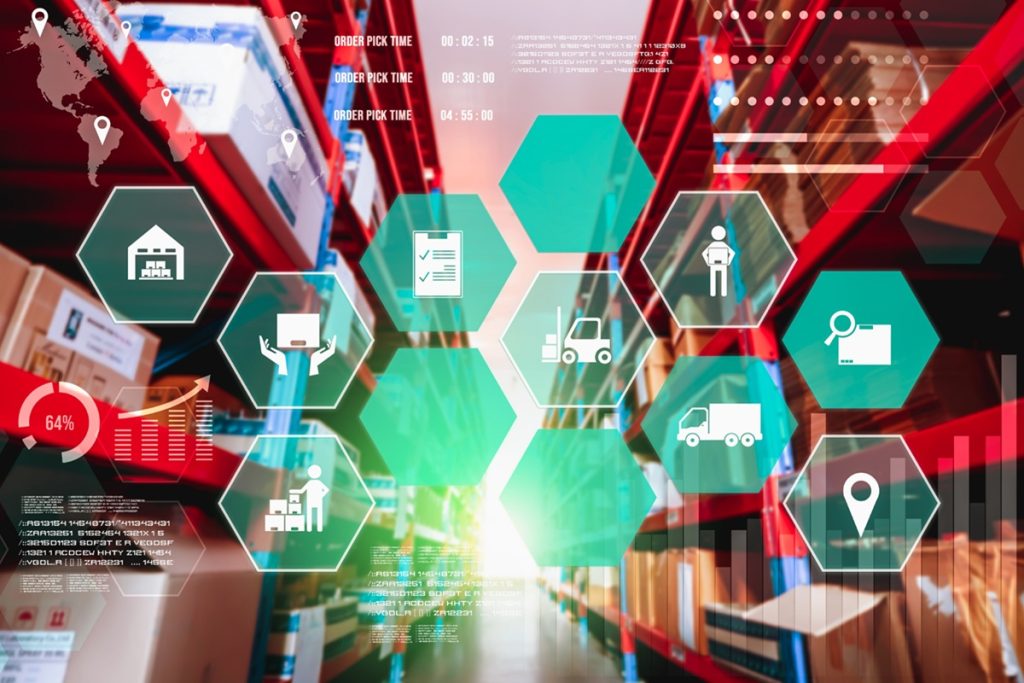
A smooth logistics process relies on careful coordination across multiple stages. Each stage has a specific purpose, and attention to detail ensures that goods move efficiently and reach the intended destination safely. Below is a detailed look at the key components:
1. Planning
Planning is the foundation of any successful logistics operation. It involves understanding the type of goods, delivery timelines, and the appropriate modes of transport, whether road, sea, or air. Accurate planning allows businesses to anticipate potential challenges such as traffic congestion, seasonal demand spikes, or customs processing delays. At this stage, decisions about batch shipments, consolidation of orders, or the use of dedicated vehicles are also made. Proper planning ensures the whole logistics chain operates smoothly and cost-effectively.
2. Collection and Transport
Once planning is in place, goods are collected from suppliers or production sites and transported to warehouses or directly to customers. Efficient collection and transport depend on route optimisation, vehicle scheduling, and coordination with drivers or third-party carriers. Using reliable transport methods reduces the risk of delays, damage, or lost shipments. For example, in cross border scenarios, coordinating documentation and customs clearance ahead of time is crucial to avoid holdups at checkpoints.
3. Warehousing and Inventory Management
Warehousing and inventory management are more than just storing goods. Effective warehousing involves categorising items, tracking stock levels, and ensuring quick access for order fulfilment. Inventory management uses data to monitor stock turnover, prevent overstocking or shortages, and forecast future demand. A well-organised warehouse ensures faster picking, reduces errors, and allows businesses to maintain consistent supply to their customers.
4. Order Preparation
Order preparation involves packing goods appropriately, labelling them correctly, and organising orders for timely dispatch. Proper packaging ensures products are protected during handling and transportation, while clear labeling facilitates accurate delivery. Businesses often use barcode systems or digital tracking to minimise errors and speed up the process. This step bridges the gap between storage and distribution, ensuring that goods leave the warehouse ready for safe transit.
5. Last-Mile Delivery
Last-mile delivery refers to the final stage of the logistics process, where goods move from a distribution point to the end customer. Despite being the shortest distance in the supply chain, it is often the most demanding due to tight delivery windows, access restrictions, and the need for precise coordination.
Reliable last-mile delivery depends on accurate route planning, suitable vehicle selection, and consistent execution. Based on our experience, businesses benefit from structured local distribution services that can handle daily deliveries efficiently while adapting to different cargo sizes and delivery requirements. A well managed local distribution network helps reduce delays, minimise handling errors, and maintain service consistency at scale.
Clear coordination at each stage reduces errors and delays, ensuring a smooth overall operation.
Logistics Vs. Supply Chain Management: What Is the Difference
Although closely related, logistics and supply chain management serve different purposes.
| Aspect | Logistics | Supply Chain Management |
| Main focus | Movement and storage of goods | End to end coordination |
| Scope | Operational | Strategic and operational |
| Key activities | Transport warehousing delivery | Sourcing production distribution |
| Objective | Efficient execution | Overall optimisation |
Understanding this distinction helps businesses align strategy with execution more effectively.
Import and Export Logistics in Global Trade
Import and export logistics plays a central role in enabling regional and international trade. It involves coordinating transportation, managing shipping documentation, and ensuring compliance with customs and regulatory requirements. Any disruption at this stage can lead to costly delays and supply chain interruptions.
For land based trade, especially between neighbouring markets, dependable cross border transport is essential. We support these movements through established cross border trucking services that cover consolidation, door to door deliveries, trans shipment arrangements, and chartered trucking solutions. By managing these elements in a structured manner, businesses gain better visibility, improved transit reliability, and smoother cargo movement across borders.
Outsourcing Vs. In-House Logistics: Choosing the Right Model
Businesses can choose to manage logistics internally or partner with a logistics provider.
| Factor | In-house logistics | Outsourced logistics |
| Cost structure | Higher fixed costs | Flexible cost model |
| Expertise | Internal knowledge only | Access to specialists |
| Scalability | Limited flexibility | Easier to scale |
| Risk management | Fully internal | Shared responsibility |
Outsourcing allows companies to access established delivery networks, operational expertise, and scalable transport capacity without large fixed investments.
In practice, businesses with regular delivery needs often rely on dedicated local distribution capabilities, while those involved in regional trade benefit from structured cross border trucking arrangements. Choosing the right model depends on delivery frequency, cargo type, and long term operational goals.
The Human Side Roles and Careers in the Logistics Industry
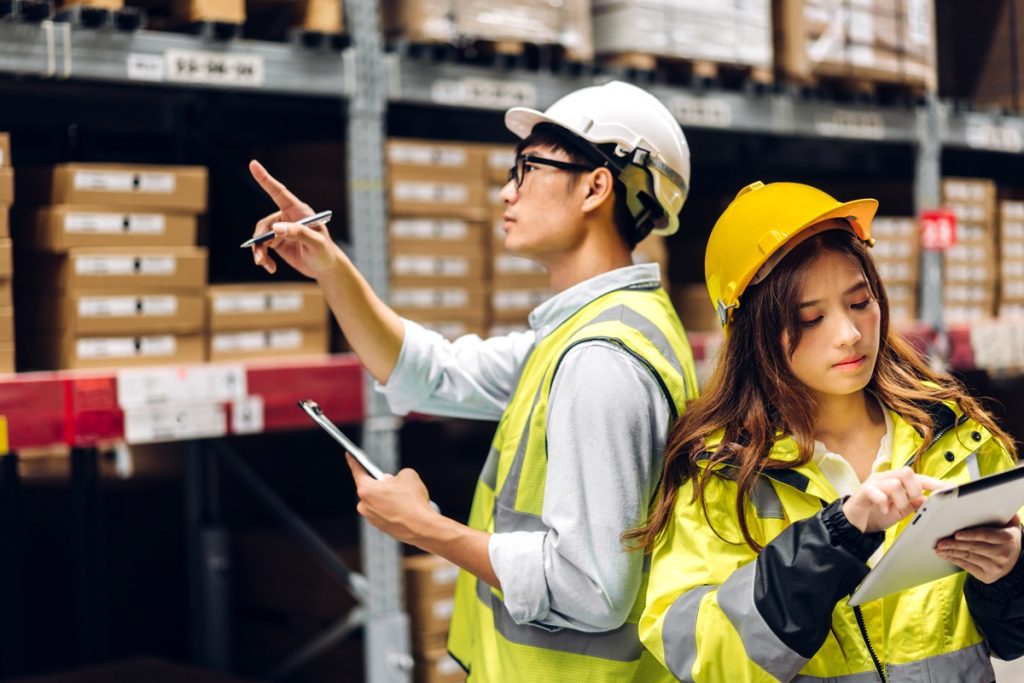
Logistics relies on skilled professionals who ensure the smooth flow of goods across the supply chain. One key role is the logistics manager, responsible for strategic planning, resource allocation, and ensuring operations meet timelines and budget requirements. Logistics managers also coordinate with suppliers, transport providers, and warehouse teams to prevent disruptions and optimise efficiency.
Logistics coordinators act as the operational backbone, managing day-to-day communication between transport teams, warehouses, and customers. They handle issues such as delays, re-routing shipments, and coordinating last minute changes to ensure customer expectations are met.
Supply chain analysts focus on monitoring performance, analysing data, and identifying inefficiencies. They use insights from key performance indicators to propose improvements, such as optimising delivery routes, improving inventory management, or reducing lead times.
Other important roles include warehouse supervisors, responsible for organising inventory, overseeing order picking, and ensuring safety compliance, and transport planners, who schedule vehicles and ensure timely deliveries.
A common misconception is that logistics is purely manual work. In reality, logistics combines operational expertise with problem-solving, planning, and strategic thinking. Professionals must anticipate disruptions, respond quickly to changes, and make decisions that directly affect business performance. Careers in logistics now require both technical skills and critical thinking, making it a dynamic and rewarding field.
Debunking 4 Common Misconceptions About Logistics
1. Logistics is Purely Physical Work
One common misconception is that logistics is purely physical work. While moving goods is certainly part of the role, modern logistics depends just as much on planning, analysis, and sound decision making. Professionals are constantly managing inventory levels, tracking delivery performance, and anticipating potential disruptions across the supply chain. These decisions directly affect efficiency, cost control, and service reliability.
2. Logistics Only Involves Trucks and Warehouses
Another widespread myth is that logistics only involves trucks and warehouses. In reality, logistics covers a much broader range of activities, including route planning, customs documentation, supplier coordination, and customer communication. Each step must be carefully managed to ensure goods arrive on time, in the right condition, and with minimal disruption along the way.
3. Technology Has Replaced Human Involvement
Some believe that technology has replaced human involvement in logistics. While automation and ERP systems play an important role, skilled professionals are still essential. People are needed to interpret data, respond to unexpected issues, and adjust plans when conditions change. Technology supports efficiency, but logistics remains a field that relies heavily on human judgement and problem solving.
4. Logistics is Separate from Business Strategy
Many think that logistics operates separately from business strategy. In practice, logistics has a direct impact on overall business performance. Efficient logistics helps reduce costs, improve customer satisfaction, and strengthen a company’s competitive position. Modern logistics is strategic and data driven, playing a key role in long term business success rather than simply moving goods from point A to point B.
How Technology Is Transforming Modern Logistics
Technology has dramatically reshaped logistics, making operations faster, more accurate, and more transparent:
- Integrated ERP Systems: Enterprise Resource Planning systems bring planning, inventory, transport, and finance together in one place. This gives managers a clear, single view of operations, making it easier to monitor activities in real time and respond quickly when situations change.
- The Role of Information Technology: Research and industry studies show that information technology plays a major role in improving logistics performance. Systems such as transport management platforms and warehouse tracking tools help businesses work more efficiently, reduce errors, and lower overall operating costs.
- Warehouse Automation: Automation has transformed how warehouses operate. Conveyor systems, robotic pickers, and automated storage solutions reduce manual handling and human error while speeding up order fulfilment and improving accuracy.
- End-to-End Visibility: GPS and real time tracking tools provide visibility across the entire supply chain. Both managers and customers can track shipments, while logistics teams can respond early to delays by adjusting routes or delivery plans.
- AI and Predictive Analytics: Artificial intelligence is increasingly used to forecast demand and improve route planning. These tools help businesses prepare for peak periods, avoid congestion, and reduce fuel usage through better planning.
- Technology Supporting People: Technology does not replace human roles in logistics. Instead, it supports skilled professionals by reducing routine manual work and allowing them to focus on decision making, problem solving, and managing complex situations.
Sustainability and the Future of Green Logistics
Sustainability is increasingly a central focus in logistics planning, as businesses balance operational efficiency with environmental responsibility:
- Energy-Efficient Fleets: Many companies are focusing on fuel efficiency by upgrading vehicles and improving how fleets are used. This helps lower emissions while also reducing long term fuel costs.
- Smart Route Optimization: Advanced route planning software helps reduce travel distance and time spent in traffic. Shorter routes and fewer delays lead to faster deliveries and less wear on vehicles.
- Sustainable Packaging: Businesses are increasingly using recyclable, biodegradable, or reusable packaging to reduce waste. Better handling practices also help lower the risk of damaged goods, which reduces the need for replacement shipments.
- Green Facility Operations: Warehouses are becoming more environmentally friendly through energy efficient lighting, improved climate control, and the use of renewable energy sources such as solar power.
- The “Green” Business Case: Sustainability is not just about environmental responsibility. Efficient and green logistics practices can reduce costs, strengthen brand reputation, and appeal to customers who value responsible business practices.
- A Strategic Necessity: Sustainability is no longer optional in logistics. Businesses that integrate green practices are better positioned for long term success while contributing to a cleaner environment and a stronger, more trusted brand.
Conclusion
Logistics is a critical function that supports efficiency, reliability, and consistent business performance. From planning and inventory control to last mile delivery and cross border transportation, every part of the logistics process works together to ensure goods move smoothly from origin to destination. When managed well, logistics helps businesses reduce cost, improve service quality, and respond more effectively to changing demands.
As logistics continues to evolve through technology and more sustainable practices, businesses benefit from having experienced partners who understand both operational detail and long term needs. If you are looking to strengthen your logistics operations through dependable local distribution or cross border transport solutions, we are here to help. Contact us today to speak with our team and explore how our tailored freight solutions can support your business.