What Is Freight Forwarding and How It Works – 5 Stages of Freight Forwarding Explained
Introduction
Businesses that manage cross-border shipping on their own often end up paying more, not less. Without established carrier relationships, they may miss out on better freight rates. Without experience handling shipping documents, delays, mistakes, and resubmissions can also add to the cost.
This is where freight forwarding can make a difference. By coordinating shipping, documentation, and logistics, professional forwarders help businesses move goods across borders more smoothly. This article explains how freight forwarding works, what services are involved, and why professional forwarders play a critical role in modern logistics.
What is Freight?
Freight refers to goods or cargo that are transported from one place to another for commercial purposes. This can include products, raw materials, machinery, equipment, and other goods moved by sea, air, road, or rail.
What Is Freight Forwarding?
Freight forwarding involves planning and coordinating the movement of goods from one place to another as smoothly and efficiently as possible.
Think of a freight forwarder as a travel agent for cargo. Instead of booking flights and hotels for people, they coordinate shipping lines, airlines, trucking companies, ports, warehouses, and customs authorities to move goods from the point of origin to their final destination.
This becomes particularly useful when a shipment crosses borders or involves several stages of transportation. The freight forwarder brings the different parties together, coordinates the necessary arrangements, and helps keep the shipment moving.
As a key intermediary in the supply chain, a freight forwarder can also help businesses manage transportation, documentation, and customs requirements.
What Kind of Freight Can Be Forwarded?
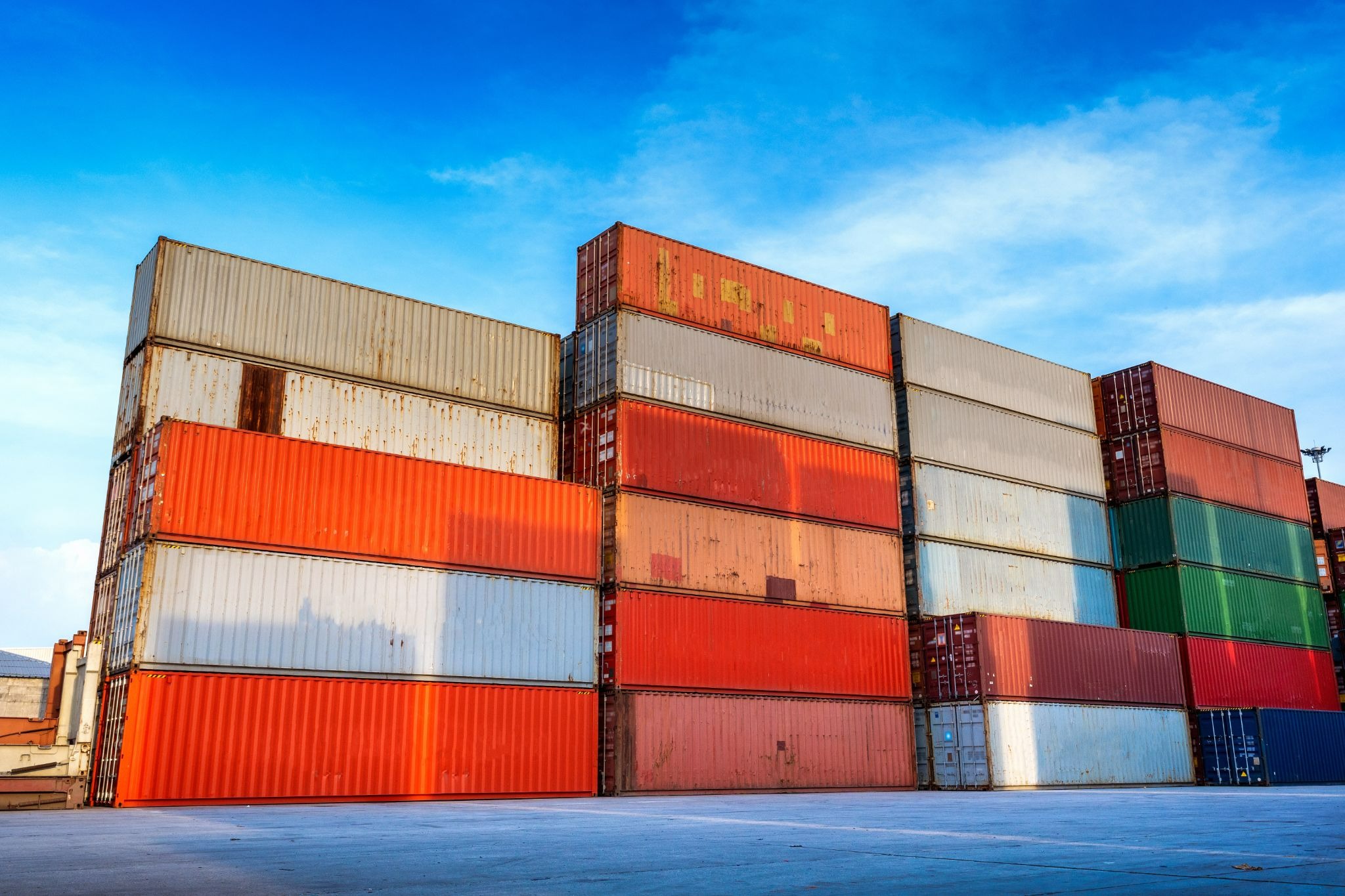
Freight can be prepared and packed in different ways depending on the type of goods, size, weight, and handling requirements:
| Freight Type | Common Use |
| Palletised Freight | Goods secured on pallets for easier handling, loading, and unloading. |
| Crated Freight | Fragile, heavy, or valuable goods that need additional protection during transit. |
| Freight Boxes | General goods packed in boxes for straightforward handling and transportation. |
| Drums and Pails | Liquids, chemicals, powders, and other materials requiring secure containers. |
| Transit Cases | Fragile, sensitive, or high-value equipment that needs extra protection. |
| Bags | Loose or packaged materials such as agricultural products, powders, and dry goods. |
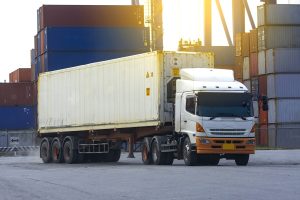
| Shipping Containers | Larger shipments transported by sea, rail, or road in standard or specialised containers. |
Most Common Types of Freight Forwarding
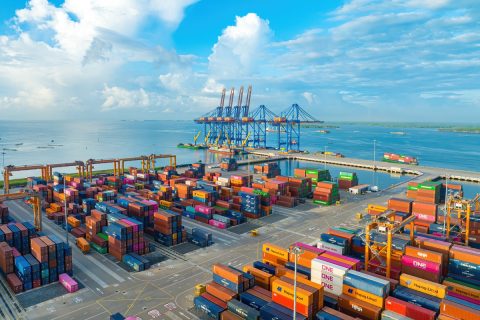
- Sea Freight Forwarding: Used for larger or heavier shipments that are not time-sensitive. It is generally more cost-effective for international cargo, particularly when shipping in containers.
- Air Freight Forwarding: A faster option for urgent, high-value, or time-sensitive goods. It usually costs more than sea freight but offers shorter transit times.
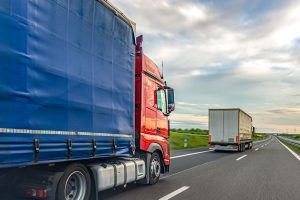
- Road Freight Forwarding: Common for domestic and cross-border shipments. It offers flexible pickup and delivery options and is particularly useful for regional routes such as Singapore and Malaysia.
- Rail Freight Forwarding: Suitable for moving larger volumes over long distances where rail networks are available. It can offer a balance between cost and transit time.
Comparison of Common Freight Forwarding Types
| Aspect | Sea Freight | Air Freight | Road Freight |
| Speed | Slower, days to weeks | Fast, hours to days | Moderate, hours to days depending on distance |
| Cost | Economical for large shipments | Higher cost, smaller shipments | Cost-effective for local and regional deliveries |
| Capacity | Large volumes, heavy cargo | Limited volume | Moderate, depends on truck size |
| Reliability | Weather dependent | High reliability | Traffic and road conditions may affect delivery |
Many businesses adopt hybrid freight forwarding solutions to suit their needs. For example, they might use sea freight for the main journey and road transport for final delivery, or combine air freight with trucking for urgent shipments. The right option usually comes down to factors such as delivery time, cargo volume, reliability, and budget.
Key Benefits of Freight Forwarding for SMEs
- Lower Capital and Fixed Costs: Setting up an in-house logistics operation can be expensive. Freight forwarding lets businesses outsource these costs and pay for logistics based on their actual shipping needs, making costs more flexible as demand changes.
- More Competitive Shipping Rates: Freight forwarders handle shipments for multiple businesses and can consolidate cargo into shared containers or transport loads. This can help SMEs access more competitive shipping rates, particularly for smaller shipments, without having to negotiate with multiple carriers themselves.
- Flexible Transport Options: Shipping needs can change depending on order volumes, delivery deadlines, and customer requirements. Freight forwarders give SMEs access to a variety of options, allowing them to choose faster options for urgent shipments or more economical options when delivery time is less critical.
- Help With Customs and Regulations: International shipping involves customs declarations, permits, documentation, and different trade laws. Freight forwarders can manage much of this process for SMEs, helping reduce documentation errors, delays, penalties, and other customs-related issues.
- Support Growth Without Adding Complexity: Outsourcing logistics allows SMEs to focus on sales, product development, and customer relationships instead of managing every part of the shipping process. As the business grows, freight forwarding services can also scale with its shipping needs.
- Better Shipment Visibility: Knowing where a shipment is helps businesses manage inventory and keep customers updated. Many freight forwarders provide shipment tracking and regular updates, giving SMEs better visibility over their goods and helping them spot potential delays earlier.
- Easier Expansion Into New Markets: Entering a new country can be challenging when a business is unfamiliar with local shipping processes, customs requirements, and logistics providers. Freight forwarders can help SMEs navigate these requirements and connect them with the right partners, making it easier to expand without building a logistics network from scratch.
Core Services Provided by Freight Forwarding Companies
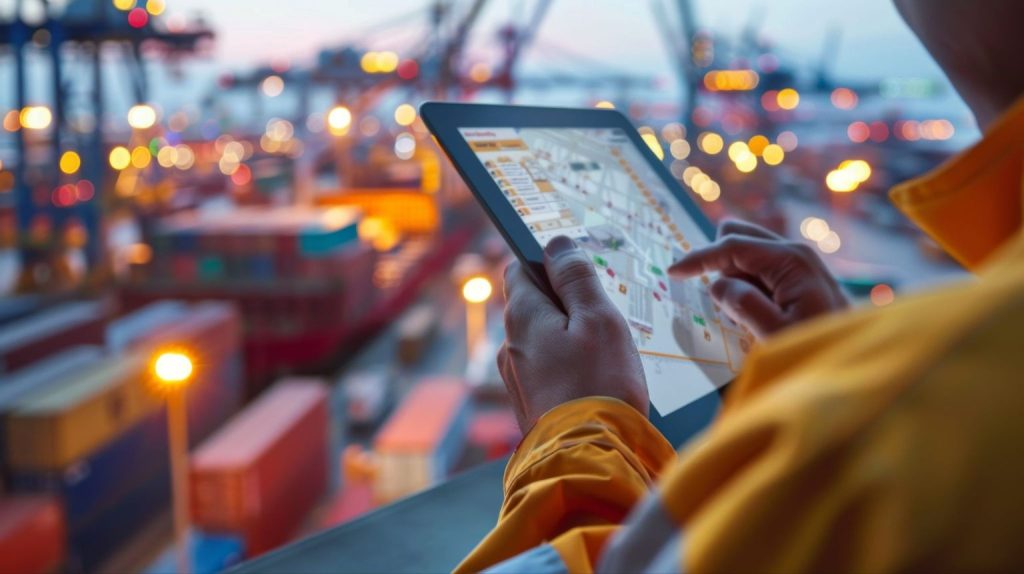
1. International Multimodal Transport
Freight forwarding companies coordinate shipments across sea, air, and land to match cargo requirements with cost and time constraints.
- Sea freight: Cost-effective for large or non-urgent shipments.
- Air freight: Ideal for high-value or time-sensitive goods where speed matters.
- Cross-border trucking: A flexible option for moving goods directly between neighbouring countries, such as Singapore and Malaysia.
Effective multimodal planning helps cargo move smoothly between different transport modes, reducing unnecessary handling and delays.
2. Customs Brokerage and Trade Documentation
Customs clearance can be one of the more complicated parts of international shipping. Freight forwarders help prepare and manage documents such as bills of lading, commercial invoices, packing lists, and certificates of origin. Getting these details right helps businesses avoid unnecessary fines, inspections, and delays.
3. Cargo Insurance and Risk Management
Goods can be damaged, lost, stolen, or delayed while in transit. Freight forwarders can help businesses assess these risks and arrange suitable cargo insurance. They can also advise on packaging, transport conditions, and handling requirements, especially for fragile, perishable, or high-value goods.
4. Warehousing, Packing, and Crating
Freight forwarders can arrange storage and prepare goods for shipment through services such as packing, crating, labelling, and consolidation. Proper preparation helps protect cargo during handling and transit while ensuring it meets transport requirements.
5. Freight Rate Negotiation
Freight forwarders use their carrier relationships and shipping volumes to negotiate competitive rates. This is especially useful for SMEs that may not ship enough volume to secure these rates on their own.
6. Consolidation and Deconsolidation
Consolidation means combining smaller shipments from different customers into one larger shipment, such as sharing space in the same shipping container. This helps make better use of available space and can make shipping more cost-effective.
Deconsolidation is when the combined shipment reaches its destination, and the freight forwarder separates the individual shipments. Each shipment can then continue to its own final destination.
How Does Freight Forwarding Work?

A freight shipment goes through several stages before reaching its destination, with each step working together to keep the process smooth and efficient. Careful coordination across each stage helps goods arrive safely, on time, and in line with the necessary requirements.
1. Booking
The process starts when the customer books the shipment with the freight forwarder and provides the necessary shipment details. This typically includes the type of goods, quantity, weight, dimensions, pickup and delivery locations, preferred shipping date, and any special handling requirements.
Based on these details, the freight forwarder arranges the appropriate carrier and route, while also confirming the necessary shipping schedules and requirements.
2. Export Haulage
The process begins with export haulage, where goods are collected from the shipper’s factory, warehouse, or supplier location and transported to a port, airport, or consolidation facility. At this stage, planning is critical. Factors such as cargo size, weight, handling requirements, delivery deadlines, and transport mode must be considered to ensure the shipment aligns with vessel or flight schedules.
3. Origin Handling
Next is origin handling, which takes place at the port, airport, or freight terminal. Cargo is inspected, weighed, labelled, and prepared for international transport. Documentation is reviewed to confirm accuracy and compliance with export and import regulations. Errors identified at this stage can prevent cargo from being loaded, making thorough verification essential.
4. International Transit
During international transit, goods are transported by sea, air, or road depending on urgency, cost considerations, and cargo characteristics. Freight forwarders actively monitor shipments using tracking systems, manage schedule changes, and respond to disruptions such as weather delays, port congestion, or customs holds. This continuous oversight ensures that issues are addressed before they escalate into major delays.
5. Customs Clearance
Once cargo arrives, it enters the customs clearance stage. Duties, GST, permits, and declarations must be processed according to local regulations. Accurate classification and valuation are crucial, as discrepancies can trigger inspections, penalties, or extended clearance times. Timely submission of documents helps ensure cargo moves through customs without unnecessary delays.
6. Destination Handling and Delivery
The final stage is destination handling and delivery, where cleared cargo is unloaded, sorted, and prepared for final delivery. Efficient coordination at this stage reduces handling errors and ensures goods arrive at warehouses, retail locations, or end customers on schedule. Careful management across the entire shipment lifecycle minimises risk, controls costs, and supports reliable supply chain operations.
Freight Forwarding Acronyms to Know
Freight forwarding comes with plenty of industry terms and acronyms. Knowing what they mean can be helpful when discussing shipping options and costs, which we’ll touch on later. These are some of the most common ones you’ll come across:
| Acronym | Meaning | What It Means |
| LTL | Less Than Truckload | A shipment that does not fill an entire truck, so the space is shared with other shipments. |
| FTL | Full Truckload | A shipment that uses an entire truck, typically for larger or time-sensitive loads. |
| LCL | Less Than Container Load | A smaller sea freight shipment that shares container space with cargo from other customers. |
| FCL | Full Container Load | A shipment that uses an entire shipping container, whether or not the container is full. |
| BOL | Bill of Lading | A transport document containing details of the shipment, cargo, and terms of transportation. |
Understanding Freight Forwarder Costs
Freight forwarder costs are made up of several components based on the transport method, cargo, and services required. Understanding these costs helps businesses in Singapore and Malaysia budget more accurately and avoid unexpected charges.
1. Base Freight Charges
- Sea Freight Basic Charges: For routes like China to Singapore, expect to pay around USD 150–$400 for a 20ft container and USD 250–$650 for a 40ft container, though these rates shift with the seasons.
- Air Freight Basic Charges: If you’re flying cargo, general rates typically sit between USD 3.00 and $6.00 per kg. Prices climb quickly if your shipment is urgent or needs special care.
2. Volume-Based Pricing for Sea Freight (LCL Shipments)
- Pay for What You Use: If you don’t have enough for a full container, you’ll be charged by the cubic meter (CBM).
- Regional Cost Estimates: On Malaysia-Singapore routes, sea freight usually runs between MYR 500 and MYR 900 per CBM, depending on how much handling is required.
For smaller businesses, grouping shipments is the smartest way to bring down the “per unit” cost of transport.
3. Volume-Based Pricing for Road Freight
- Distance and Load-Based Charges: Road freight pricing usually depends on distance travelled, truck size, and load type. Charges may be calculated per trip, per pallet, or per tonne, depending on the service.
- Regional Cost Estimates: For Malaysia Singapore cross-border trucking, partial loads typically range from MYR 300 to MYR 800 per pallet, while full truckloads can range from MYR 1,500 to MYR 3,500 per trip, depending on distance and customs handling.
Similar to LCL sea freight, consolidating multiple deliveries into a single route helps reduce per-unit transport costs, especially for SMEs with frequent shipments.
4. Weight-Based Pricing for Air Freight
- Chargeable Weight Principle: Air freight is priced based on chargeable weight, which compares actual weight to volumetric weight. The higher of the two is used for billing.
- Regional Cost Estimates: For short-haul routes within Southeast Asia, general cargo air freight often ranges between USD 3 and USD 6 per kilogram, while express or time-critical shipments may cost more.
Although more expensive, air freight becomes cost-efficient for high-value, urgent, or lightweight goods where speed and reliability outweigh transport costs.
5. Documentation and Handling Fees
- The Paperwork Trail: Beyond moving the box, you’re paying for the “behind-the-scenes” work such as customs coordination, port fees, and terminal handling.
These are standard costs involved in moving cargo. They cover the requirements needed to clear customs and keep your shipment moving.
6. Fuel and Operational Surcharges
- Floating Costs: Because global fuel prices are unpredictable, carriers add “Adjustment Factors” to your bill.
These surcharges can change frequently. If fuel prices rise or it is peak shipping season, your total shipping cost can increase, which is why freight quotes are often only valid for a limited period.
7. Optional Services and Risk Coverage
- Added Protection: You can choose to add on cargo insurance, warehousing, or “last-mile” delivery.
While these are optional, they’re often worth the investment for fragile or high-value goods. Forwarders offer these as add-ons so you can decide how much protection your budget allows.
Example: Total Freight Forwarder Cost for a Small Container Shipment
Suppose a business in Singapore imports a 20-foot container of general goods from China. A typical breakdown could look like this:
| Cost Component | Estimated Cost (USD) | Notes |
| Base Sea Freight (FCL) | 250–400 | Cost to transport a 20-foot container from China to Singapore |
| Documentation & Handling Fees | 50–100 | Covers bills of lading, permits, and administrative tasks |
| Port and Terminal Charges | 100–200 | Charges for container handling at origin and destination ports |
| Fuel Surcharge | 50–80 | Reflects fluctuations in fuel costs during transit |
| Cargo Insurance (optional) | 50–100 | Usually 1–2% of declared cargo value |
| Customs Clearance Fees & Duties | 100–200 | Depends on HS code and regulatory requirements |
| Estimated Total Cost | 600–1,080 | Total of all components |
Note: For Malaysian businesses importing via Port Klang, an approximate conversion at 1 USD ≈ 4.04 MYR can be applied as a rough reference, depending on exchange rates, port fees, and cargo type.
Essential Shipping Documents You Need to Know
Shipping documents are the foundation of freight forwarding, serving as legal, commercial, and regulatory records throughout the shipment journey.
- Bill of Lading functions as a contract of carriage between the shipper and carrier, a receipt for the goods, and in some cases, a document of title. It outlines shipment details and establishes responsibility during transit.
- Commercial Invoice declares the value, description, and quantity of goods being shipped. Customs authorities rely on this document to assess duties, GST, and taxes, making accuracy essential to avoid disputes or penalties.
- Packing List provides a detailed breakdown of the shipment contents, including packaging type, weight, and dimensions. This document supports customs inspections, cargo handling, and warehouse operations.
- Certificates of Origin confirm where goods were produced and are often required to qualify for preferential tariffs under trade agreements. Incorrect or missing certificates can result in higher duties or shipment delays.
Together, these documents ensure transparency, compliance, and smooth customs clearance, significantly reducing the risk of delays and additional costs.
How to Choose the Right Freight Forwarding Partner
Selecting a reliable freight forwarder plays a major role in shipment reliability and overall supply chain performance:
- A strong global network provides access to reputable carriers, overseas agents, and alternative routing options when disruptions occur.
- Licensing and Regulatory Compliance are equally critical. A properly licensed forwarder ensures shipments are handled legally and in accordance with local and international regulations, reducing compliance risks for businesses.
- Industry Expertise allows forwarders to handle specific cargo requirements effectively, whether that involves fragile goods, temperature-sensitive items, or regulated products. Experience with destination regulations and documentation requirements further reduces clearance issues.
- Technology Integration has become increasingly important. Real-time tracking, automated documentation, and digital communication improve visibility and reduce errors, enabling businesses to make informed decisions quickly.
- Responsive Customer Support ensures issues are addressed promptly. A proactive and knowledgeable team can manage exceptions, coordinate solutions, and keep shipments moving despite unforeseen challenges. Together, these factors determine whether a forwarder can deliver consistent, dependable service.
By evaluating these factors, businesses can find a partner that delivers consistent reliability and reduces operational risks.
The Impact of Digitalization on Modern Freight Forwarding

Digitalization has changed how freight forwarding works, making the process faster, more connected, and easier to track. For businesses, this means better visibility over shipments and fewer manual steps. Some of the key ways technology is changing freight forwarding include:
- Real-Time Tracking: Businesses can monitor cargo movement throughout the shipment, making it easier to keep track of deliveries, communicate updates, and respond to delays when they arise.
- Automated Customs Filing: Digital customs systems reduce manual data entry and help forwarders submit declarations and permits more quickly and accurately, supporting smoother customs clearance.
- Predictive Analytics and Route Optimisation: Digital tools can help identify potential congestion, weather disruptions, and capacity issues. Forwarders can use this information to choose better routes and adjust schedules, particularly for cross-border shipments.
- Digital Inventory and Warehouse Management: Digital systems help track stock levels, manage incoming and outgoing goods, and provide alerts when action is needed. Tools such as barcode scanning can also improve accuracy and speed up warehouse operations.
While technology makes many parts of freight forwarding more efficient, human expertise is still important for handling exceptions, interpreting information, and making decisions when plans change.
Singapore Customs: What Importers Need to Know
Importing goods into Singapore involves several customs and compliance requirements. Getting these details right helps keep shipments moving smoothly and avoids unnecessary delays.
Key areas to pay attention to include:
- GST and Duties: Check whether your goods are subject to GST, customs duties, or other applicable charges.
- Import Permits: Make sure the required permits are obtained before the goods arrive.
- TradeNet Submissions: Import declarations and permits are submitted electronically through Singapore’s TradeNet system.
- Product Classification: The correct product classification affects the duties, taxes, and permits that may apply.
- Cargo Documentation: Accurate invoices, packing lists, and other supporting documents help ensure a smoother clearance process.
- Packaging and Labelling: Proper packaging and labelling can help prevent issues during inspections and cargo handling.
Shipping between Singapore and Malaysia involves its own customs and documentation requirements. If you use this route regularly, our guide to shipping between Singapore and Malaysia covers the shipping options, customs requirements, and costs you need to know.
Conclusion
Freight forwarding is an essential function that ensures goods move efficiently, safely, and in compliance with regulations. From export haulage to last-mile delivery, customs clearance, and documentation, each stage requires meticulous coordination to prevent delays, reduce costs, and improve service reliability.
Whether you are an SME looking to scale or a larger company handling frequent cross-border shipments, our expertise ensures smooth operations and peace of mind. Contact us today to discover how our tailored freight solutions can support your business growth.
Frequently Asked Questions
1. Why do businesses in Singapore need a professional freight forwarder?
Singapore is a major logistics hub with high cargo volumes and strict customs and regulatory requirements. Freight forwarders help businesses coordinate transport, documentation, customs clearance, and other shipping requirements.
This is especially useful for businesses in manufacturing, retail, and cross-border trade, where delays can affect the wider supply chain.
2. What is the difference between a freight forwarder and a 3PL?
The main difference is the scope of services. Freight forwarding focuses on moving cargo, including transport, freight booking, customs clearance, and documentation.
A 3PL covers a wider range of supply chain services, such as warehousing, inventory management, distribution, and order fulfilment.
Simply put, freight forwarding focuses on getting goods from A to B, while a 3PL can manage more of the supply chain. For more detail, read our guide on What is 3PL?
3. What is freight in and freight out?
Freight in refers to the cost of transporting goods into a business, such as from a supplier to a warehouse.
Freight out is the cost of shipping goods from the business to its customer. Simply put, freight in is the cost of bringing goods in, while freight out is the cost of sending them out.
4. What is a freight forwarding address?
A freight forwarding address is an address provided by a freight forwarding company where goods can be delivered before being sent to their final destination. This can be useful when a business does not have a suitable delivery address in the origin country or needs to consolidate shipments before forwarding them.