What is Freight Transport – 3 Key Methods of Freight Transportation
Introduction
Moving goods from one place to another is a core part of running any successful business, especially in a global trade hub like Singapore. From daily consumer products to industrial materials, freight transportation keeps supply chains moving and markets functioning.
This guide explains the three main modes of freight transportation, namely sea freight, air freight, and road freight. It looks at how each method works, where they perform best, and the trade-offs involved in terms of speed, cost, and capacity. You will also find practical guidance on customs procedures and tax considerations. By the end of this article, you should have a clearer idea of which transport option suits your business needs and how to move goods efficiently while keeping costs under control.
What Is Freight Transport and Its Role in Global Trade
Freight transport refers to the movement of physical goods over short and long distances using ships, aircraft, and trucks. It is the system that connects producers with buyers, allowing goods to move from factories to warehouses, retailers, and end users across borders.
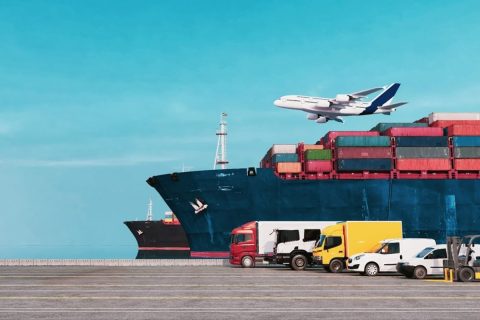
For Singapore, freight transport plays an especially important role. As a country with limited natural resources, most goods are imported, while exports rely heavily on efficient transport links. In practice, many shipments use a combination of transport methods, such as air freight for fast international movement followed by road freight for final mile delivery. Freight transport does not only involve moving items. It also requires careful coordination between shippers, carriers, customs authorities, and logistics providers. When managed well, it helps businesses plan inventory more accurately, reduce delays, and stay competitive in both local and international markets.
Comparing Sea, Air, and Road Transport Side by Side
To give a quick overview, the table below compares the three main freight transport modes based on common industry characteristics.
| Feature | Sea Freight | Air Freight | Road Freight |
| Speed | Slowest | Fastest | Moderate |
| Cost | Most affordable for large or heavy shipments over long distances | Most expensive | Cost effective |
| Capacity | Very high | Limited | Moderate |
| Reliability | Affected by port congestion | Very high | Affected by traffic |
| Best for | Large and bulky goods | Urgent and high value items | Local and regional delivery |
Each transport mode serves a different purpose. Sea freight is generally the most affordable option when shipping large volumes or heavy cargo over long distances. For small, urgent, or time sensitive shipments, overall costs may be higher due to longer transit times, storage, or inventory holding costs. Air freight is chosen when time is critical and the value of the goods justifies the higher cost. Road freight provides flexibility and acts as the vital link between ports, airports, warehouses, and final destinations.
The Fundamentals of Air Freight Transportation
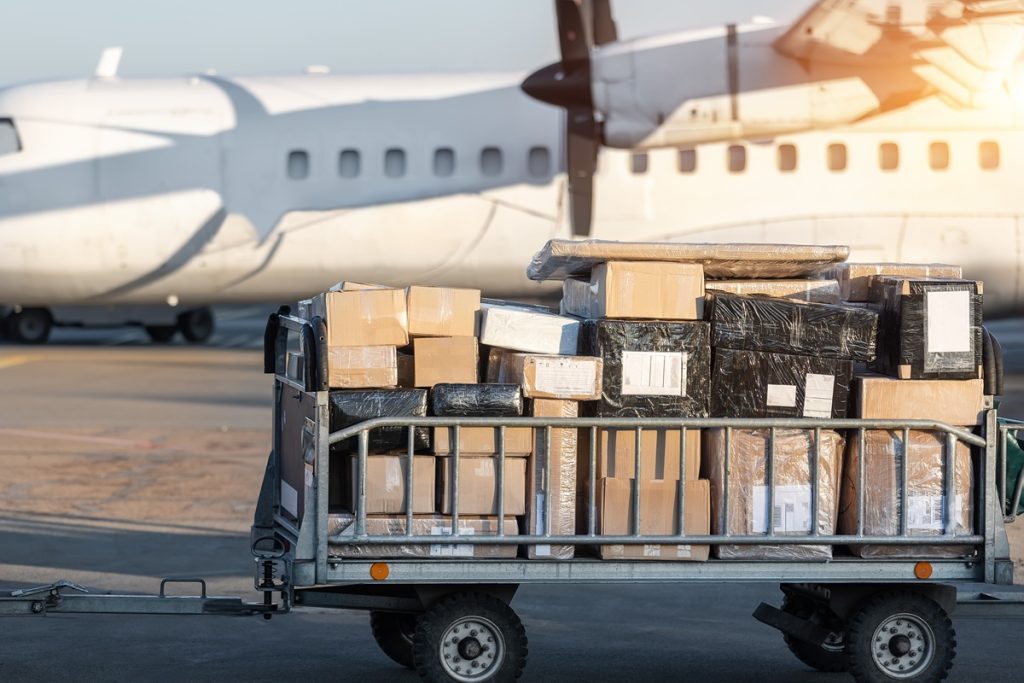
Air freight is often used when goods need to reach their destination as quickly as possible. It plays a key role in industries where delays can lead to lost sales or production downtime.
Major Advantages of Choosing Air Transport
- Speed: Goods that might take weeks by sea can arrive within days or even hours. This is especially valuable for urgent shipments.
- High Level of Security: Airports operate under strict security controls, which lowers the risk of theft, tampering, or loss during transit.
- Schedule Reliability: Airlines follow fixed flight schedules with frequent departures, allowing businesses to plan deliveries more accurately and meet tight deadlines.
Handling Time Sensitive and High Value Shipments
Air freight is commonly used for goods with short shelf lives such as fresh seafood, flowers, and pharmaceuticals. It is also suitable for high value items like electronics that require secure handling and fast delivery. Temperature controlled solutions and careful monitoring are often used to protect sensitive cargo throughout the journey. Because of its speed and reliability, air freight is often chosen when meeting delivery deadlines is a top priority.
The Fundamentals of Sea Freight Transportation
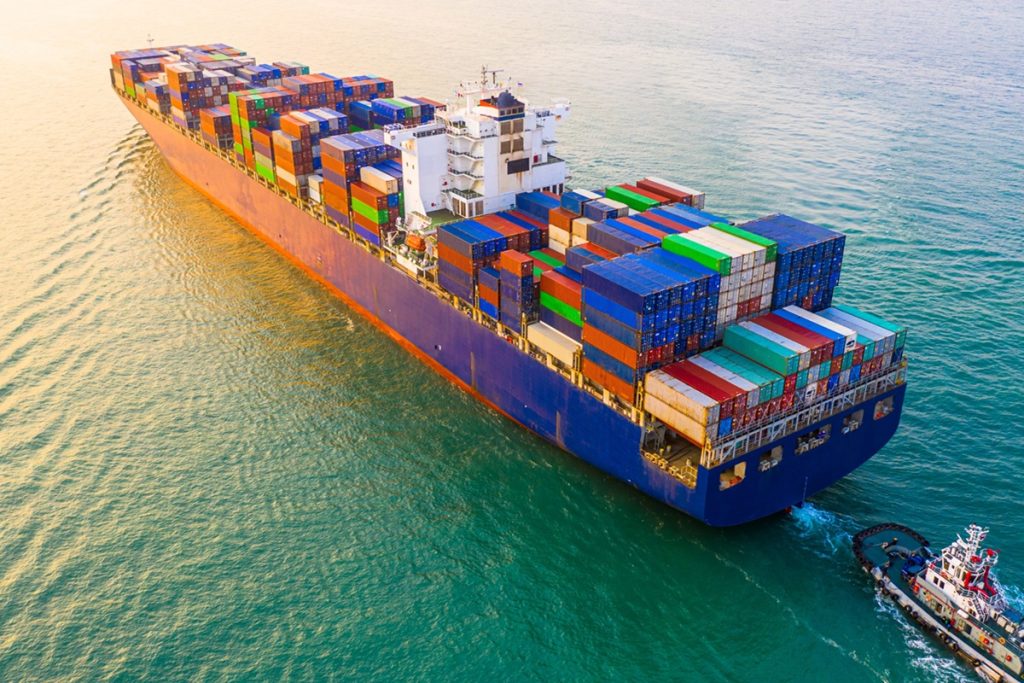
Sea freight forms the backbone of global trade and is the most widely used method for moving goods across continents.
Major Advantages of Choosing Sea Transport
- Cost Efficiency: It is significantly cheaper than air transport, especially for long distances and heavy cargo.
- Enormous Carrying Capacity: Container ships can transport thousands of containers in a single voyage, making them ideal for businesses with large shipment volumes.
- Versatility: Sea freight can handle a wide range of cargo types, including liquids, perishables, hazardous goods, and oversized machinery.
Navigating Port Procedures and Container Options
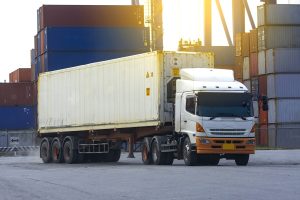
Sea freight shipments typically use either Full Container Load or Less than Container Load services. Full Container Load gives a shipper exclusive use of a container, which is suitable for large shipments and offers better cargo security. Less than Container Load allows smaller shipments to share container space, reducing costs. Singapore’s highly automated port infrastructure helps streamline these processes and supports efficient cargo movement. This makes sea freight well suited for planned, high volume shipments that benefit from economies of scale.
The Fundamentals of Road Freight Transportation
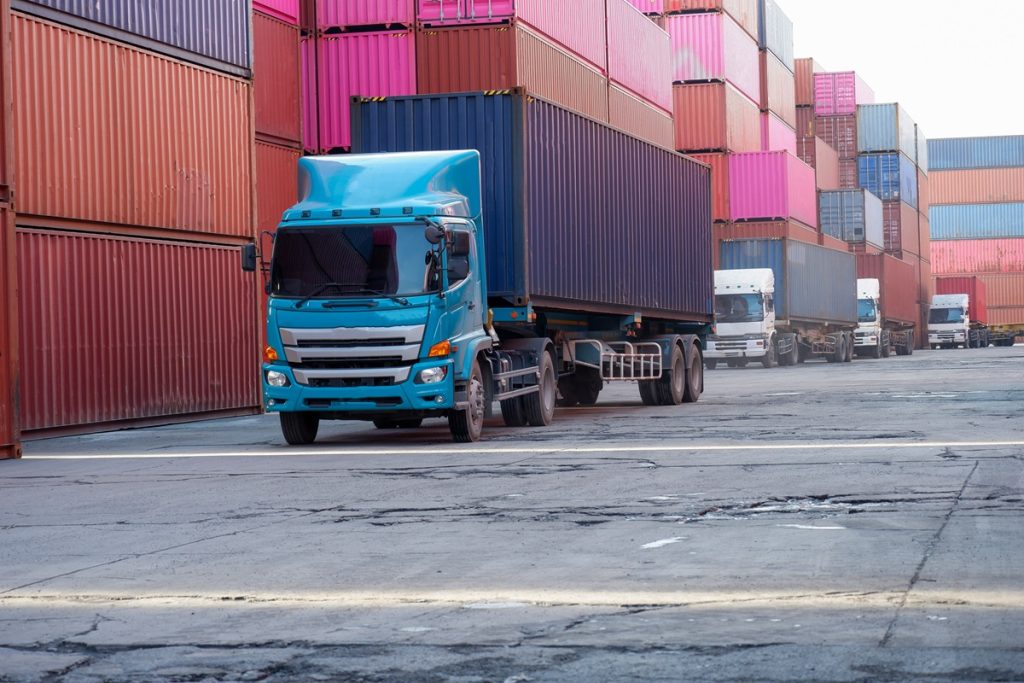
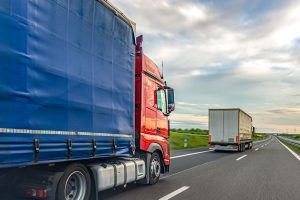
Road freight plays a crucial role in domestic transport and regional trade, particularly within Southeast Asia.
Major Advantages of Choosing Road Transport
- Door-to-door Delivery: Goods can be collected directly from the shipper and delivered straight to the consignee without additional handling.
- Routing Flexibility: Trucks can adjust routes to avoid congestion or serve multiple delivery points in a single trip.
- Simpler Packaging Requirements: Compared to sea or air freight, road transport usually involves less heavy handling, allowing businesses to save on packaging costs.
Cross Border Logistics and Last Mile Connectivity
Road freight supports local distribution services within Singapore and plays an important role in cross-border trucking to neighbouring countries such as Malaysia. It also handles last mile delivery, ensuring goods reach shops, warehouses, or customers efficiently once they arrive by sea or air. This flexibility makes road freight a critical link in multimodal transport networks.
4 Factors to Consider When Selecting a Transportation Mode
- Total Cost Considerations: Choosing the right transport method starts with understanding total cost. This includes freight charges, insurance, packaging, and potential storage fees, as these costs together determine the true expense of a shipment rather than freight rates alone.
- Nature of the Goods: The characteristics of the goods are a key factor when selecting a transport mode. Fragile, perishable, or hazardous items may require specific handling, packaging, or transport conditions to ensure they arrive safely and in compliance with regulations.
- Delivery Deadlines: Delivery timelines play an important role in decision making. When timing is critical, faster transport options such as air freight may be justified despite higher costs, especially when delays could affect sales or operations.
- Shipment Volume and Weight: The size and weight of a shipment should also be considered. Large and heavy cargo is generally better suited for sea or road transport, as these options help keep transportation costs manageable.
GST Treatment and Tax Obligations for International Freight
In Singapore, many international freight services are zero rated for Goods and Services Tax when they qualify as international services under the GST Act and the required conditions are met. This typically applies to freight services related to the transportation of goods into or out of the country. Businesses must ensure that supporting requirements are satisfied in order to apply zero rating correctly.
However, businesses must maintain proper records such as shipping documents and invoices to prove the nature of the transaction. Failure to do so can result in penalties or backdated tax assessments.
Understanding GST rules helps businesses remain compliant while managing cash flow effectively. Maintaining accurate documentation and following zero-rating requirements ensures smooth operations and avoids unnecessary costs.
6 Steps of Navigating Customs Regulations
- Correct Classification of Goods: The first step in customs clearance is identifying the correct Harmonized System code for the goods. This code determines applicable duty rates, taxes, and licensing requirements, making accuracy essential to avoid delays or penalties.
- Preparation of Supporting Documents: All required documents must be prepared accurately. These include the commercial invoice, packing list, and transport documents, which provide customs authorities with essential shipment details.
- Submission of Import or Export Permits: Import and export permits must be submitted through Singapore’s TradeNet system before goods arrive. Early and accurate submission helps ensure smoother clearance upon arrival.
- Payment of Duties and Taxes: Any applicable duties and taxes must be paid promptly. Delays in payment can result in cargo being held by customs, leading to additional storage costs.
- Customs Inspection and Compliance: Shipments may be selected for inspection by customs authorities. Businesses must cooperate fully and ensure that goods match declared information to avoid penalties or clearance delays.
- Record Keeping Requirements: Businesses are required to retain customs and shipping records for at least five years. Proper record keeping helps meet regulatory requirements and supports audits or future reference.
The Future of Freight Transport Technology and Digitalisation
- Real Time Tracking Systems: Technology is reshaping the freight transport industry through real time tracking systems that allow shippers to monitor cargo location and condition throughout the journey, improving visibility and control over shipments.
- Artificial Intelligence in Route Planning: Artificial intelligence is increasingly used for route planning, helping carriers avoid congestion, optimise delivery routes, and reduce fuel consumption, which improves efficiency and lowers operating costs.
- Digital Documentation: Digital documentation is replacing traditional paper based processes, speeding up customs clearance, reducing administrative errors, and improving coordination between logistics stakeholders.
- Emerging Transport Technologies: Emerging technologies such as autonomous vehicles and drones may further improve efficiency in the future, particularly for last mile delivery. Research consistently shows that digitalisation enhances transparency, efficiency, and resilience across supply chains.
Conclusion
Understanding the different modes of freight transportation helps businesses make better decisions about how to move their goods. Sea, air, and road transport each serve a specific purpose, and choosing the right option depends on balancing speed, cost, and reliability.
By matching shipping requirements with the most suitable transport mode, businesses can reduce delays, control costs, and deliver better service to customers. If you need support with freight movement or would like to explore suitable logistics solutions, contact us today and speak with a team that can guide you through the process confidently.