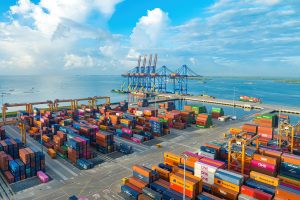
What Is 3rd Party Logistics Services (3PL)?
Introduction
Goods are moving through Malaysia and Singapore at a massive scale. Malaysia’s e-commerce transaction income reached RM1.288 billion in 2024, while Singapore’s total merchandise trade reached S$1.3 trillion. Behind these figures are businesses managing increasingly complex warehousing, inventory, fulfilment, transportation, and returns. As these operations grow, third-party logistics services (3P) can help businesses manage the logistics load more efficiently.
In this guide, we explain what 3PL is, how 3PL services work, and the different types of 3PL providers. We also look at the benefits and considerations of outsourcing logistics, how 3PL compares with 4PL and freight forwarding, and what businesses should consider when choosing the right logistics partner.
What Is 3PL?
3PL stands for third-party logistics. In simple terms, it means outsourcing some or all of your logistics operations to an external provider that specialises in storing, moving, and delivering goods.
Core Services Offered by a 3PL
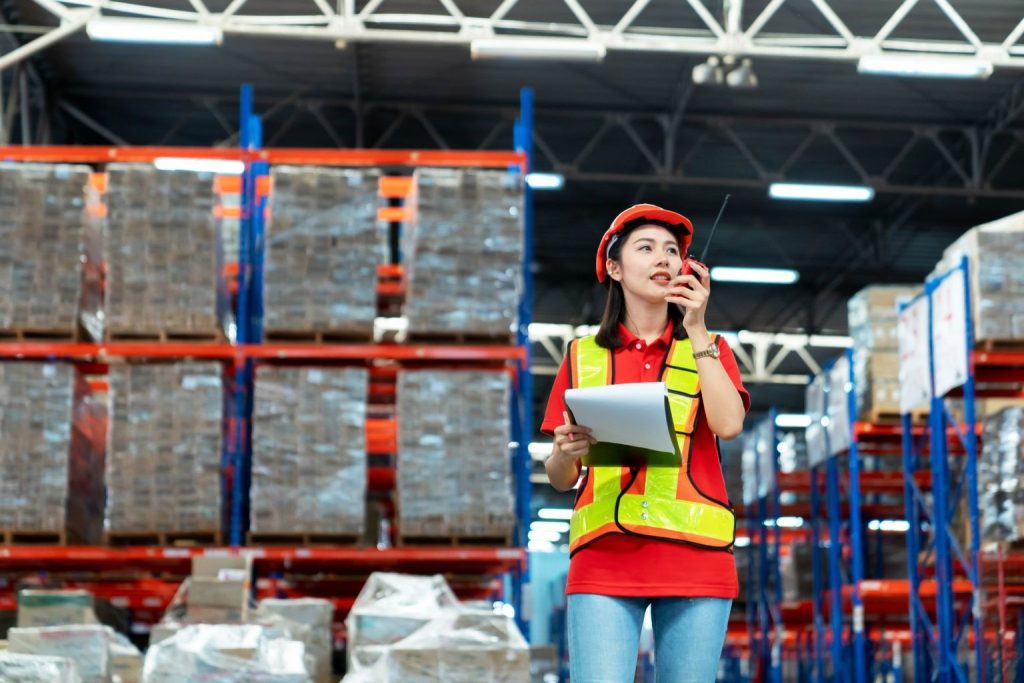
Not every 3PL offers the same services. However, most providers build their solutions around several core logistics functions:
1. Warehousing and Storage
A 3PL can provide dedicated or shared warehouse space for a company’s inventory.
This can be particularly useful for businesses that do not want to invest in warehouse space, equipment, warehouse staff, and warehouse management systems.
2. Inventory Management
Inventory management is another important part of 3PL operations. A 3PL can track stock received, available inventory, stock allocated to orders, dispatched goods, and damaged or returned products.
Some 3PLs also provide inventory dashboards and system integrations, so businesses can check stock levels without manually checking the warehouse.
3. Order Fulfilment
Order fulfilment covers the process of turning a customer’s order into a completed shipment.
This is especially relevant to e-commerce businesses, but fulfilment is not limited to direct-to-consumer orders. A 3PL can also fulfil B2B orders, wholesale shipments, retail replenishment orders, and other distribution requirements.
4. Picking and Packing
Picking involves locating the right products in the warehouse, while packing prepares them for delivery. Depending on the provider and agreement, a 3PL may also handle branded packaging, product inserts, labelling, protective packaging, or preparing cartons and pallets for wholesale orders.
5. Transportation and Distribution
Many 3PL providers also arrange or manage transportation. This can include:
- Local distribution and delivery
- B2B deliveries
- Last-mile delivery
- Truckload shipments
- Air freight
- Ocean freight
- Cross-border transportation
Some 3PLs operate their own vehicles or other physical assets. Others use contracted carriers or combine their own resources with third-party transport providers.
The important point is that a 3PL can coordinate the movement of goods rather than requiring the business to manage every shipment itself.
6. Freight Forwarding
Some 3PL companies also provide freight forwarding services, arranging the transportation of goods by air, ocean, road, or rail, often across international borders. This may include shipment coordination, documentation, customs-related processes, and carrier arrangements.
However, 3PL and freight forwarding are not the same thing. A freight forwarder primarily arranges transportation, while a 3PL can provide a broader range of services such as warehousing, fulfilment, inventory management, and distribution.
7. Returns and Reverse Logistics
Logistics does not always end when an order reaches the customer. Products may be returned due to damage, incorrect or defective items, size or fit issues, change of mind, or warranty claims.
A 3PL can handle reverse logistics by receiving and inspecting returned products, updating inventory, and arranging repacking, repair, replacement, resale, recycling, or disposal as required.
Advanced Services Offered by a 3PL
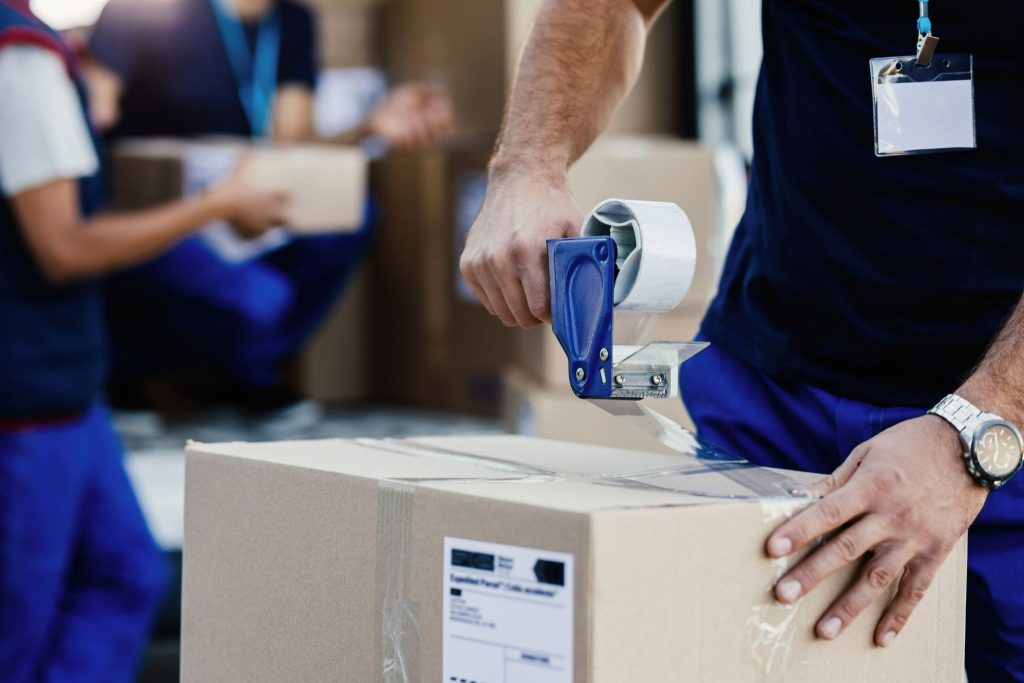
Beyond basic storage and delivery, some 3PL providers offer more specialised services, such as:
1. Cross-Docking
Cross-docking involves moving incoming goods directly to outbound transportation with little or no long-term storage.
This can reduce storage requirements and shorten handling time when the supply chain is suitable for cross-docking.
2. Kitting and Bundling
Kitting involves combining separate products into one package or SKU. The 3PL can assemble a kit before it is shipped to customers or retailers.
3. Labelling and Repackaging
Some businesses require products to be labelled or repackaged before distribution.
A 3PL may also handle various labelling and repackaging requirements, such as barcode labelling, shipping and retail labels, promotional packaging, product inserts, repackaging, and carton labelling.
4. Technology Integration
Technology is increasingly important in modern 3PL operations. A provider may integrate its warehouse management system with the client’s:
- E-commerce platform
- Enterprise resource planning system
- Order management system
- Inventory management system
- Marketplace
- Accounting software
This reduces manual data entry and gives the business greater visibility over orders and inventory.
How Does a 3PL Work?
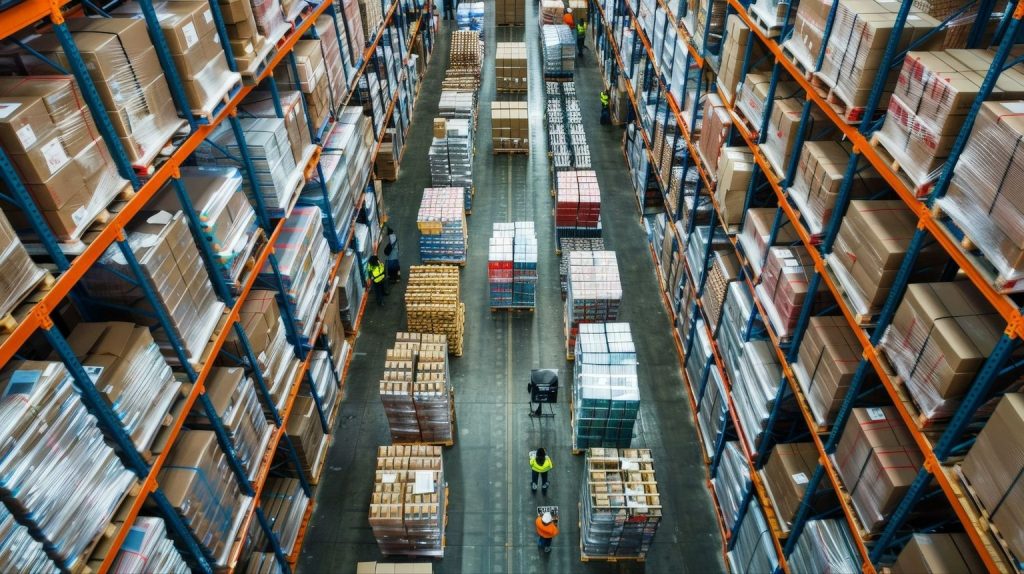
A typical 3PL process works like this:
- Inventory arrives: The business sends its products to the 3PL warehouse, where the goods are received, checked, and recorded.
- Products are stored: The 3PL stores the inventory and keeps track of stock levels using its warehouse systems.
- An order comes in: When a customer or business places an order, the order details are sent to the 3PL through an integrated system.
- The order is picked and packed: The 3PL locates the products, picks the required items, and packs them according to the agreed requirements.
- The shipment is dispatched: The 3PL prepares the shipment and arranges delivery through the appropriate carrier.
- The order is tracked: Shipment and inventory information is updated so the business can monitor the order and stock levels.
- Returns are handled: If an order is returned, the 3PL receives and processes it according to the agreed returns procedure, which may include inspection, restocking, repair, or replacement.
Who Uses a 3PL?
- E-commerce businesses: Use 3PL services to manage inventory, order fulfilment, picking and packing, and delivery, allowing internal teams to focus on sales, marketing, and customer service.
- Manufacturers: Use 3PL providers to store finished goods, manage distribution, move components, and deliver products to distributors, retailers, or customers.
- Wholesalers and distributors: Use 3PL services to store large quantities of products and distribute them efficiently to multiple retailers or commercial customers.
- Retailers: Use 3PL providers for inventory storage, store replenishment, online order fulfilment, and distribution across multiple locations.
- Importers and exporters: Use 3PL services for warehousing, transportation coordination, freight forwarding, and other logistics activities involved in domestic and international trade.
- SMEs: Use 3PL services to avoid the upfront investment required for warehouses, equipment, employees, software, and transport resources, while gaining the flexibility to scale logistics operations as demand changes.
Benefits of Using a 3PL Service
• Lower Infrastructure Investment
A business may also avoid significant upfront investment in warehouse space, equipment, software, vehicles, and logistics staff, making it easier to scale operations as it grows.
• Greater Scalability
Logistics needs can change throughout the year, especially during peak sales periods. A 3PL can provide additional warehouse and fulfilment capacity without requiring the business to build for its busiest periods year-round.
• Access to Logistics Expertise
Experienced 3PL providers already have processes for receiving, storing, picking, packing, shipping, and managing inventory.
This can reduce the amount of operational knowledge a business needs to build internally.
• Better Inventory Visibility
Technology-enabled 3PLs can provide real-time or near-real-time information about inventory and orders.
This helps businesses make decisions based on current stock information rather than relying on spreadsheets or manual warehouse checks.
• Faster Order Processing
A dedicated fulfilment operation can process orders more efficiently than a small internal team that is also responsible for sales, administration, purchasing, and other business functions.
• Wider Distribution Network
A 3PL may provide access to multiple warehouses, transportation partners, delivery networks, or regional facilities.
This can help businesses expand into new markets without immediately building their own logistics infrastructure.
• More Focus on Core Business Activities
Outsourcing logistics lets your internal teams focus on product development, sales, marketing, customer service, and strategic planning, while a specialist 3PL handles the day-to-day logistics operations.
Considerations of 3PL Services
While 3PL services can make logistics easier to manage, it is still important to consider how well the arrangement fits your business. A few areas are worth looking at before making the move:
• Less Direct Control
Once logistics operations are outsourced, the business no longer controls every warehouse and fulfilment activity directly.
This makes service-level agreements, reporting, communication, and performance management important.
• Integration Requirements
A 3PL may need to integrate with existing business systems. Poorly managed integrations can lead to issues such as:
- Incorrect inventory figures
- Duplicate orders
- Delayed order transmission
- Missing tracking information
- Manual workarounds
- Dependence on a Service Provider
The 3PL becomes an important part of the company’s supply chain. A major operational problem at the provider can therefore affect the business’s customers.
• Transition Challenges
Moving inventory from an internal warehouse to a 3PL takes planning.
Stock counts, system integration, SKU setup, warehouse processes, packaging requirements, and transportation arrangements all need to be coordinated.
When Should You Partner With a 3PL Service Provider?

A 3PL may be worth considering when:
- Your Warehouse Is Running Out of Space: If inventory is taking over office space, retail space, or production areas, outsourcing storage can free up valuable space.
- Your Order Volume Is Growing: When orders increase, manual fulfilment becomes harder to manage accurately. A 3PL can provide dedicated fulfilment processes and additional capacity.
- Logistics Is Distracting Your Team: If employees spend a large amount of time picking orders, packing parcels, arranging deliveries, and updating inventory, outsourcing may allow them to focus on higher-value work.
- You Are Expanding Into New Markets: A 3PL with suitable facilities and transportation networks can make it easier to enter new cities, regions, or countries.
- You Need More Sophisticated Inventory Management: If spreadsheets are no longer enough to manage stock, a 3PL with a warehouse management system may provide better visibility and control.
How to Measure the Efficiency of a 3PL
A 3PL should be measured against agreed performance indicators rather than simply judged by whether orders are being shipped. Useful KPIs include:
- Order Accuracy: Measures how often customers receive the correct products and quantities.
- Inventory Accuracy: Compares system inventory with physical inventory.
- On-Time Dispatch: Measures whether orders leave the warehouse within the agreed processing window.
- On-Time Delivery: Measures whether shipments arrive within the agreed delivery timeframe.
- Order Cycle Time: Measures the time between receiving an order and dispatching it.
- Return Processing Time: Measures how quickly returned goods are received, inspected, and processed.
- Damage Rate: Tracks the proportion of products damaged during warehouse handling or transportation.
- Cost Per Order: Provides a useful way to compare the total fulfilment cost against order volume.
How to Choose the Right 3PL Service Provider
- Define your logistics requirements: Start with the basics, such as your number of SKUs, inventory and order volumes, product size and weight, storage needs, delivery destinations, return volumes, and any special or cross-border requirements. This gives providers a clearer picture of what you need and helps them prepare a more accurate proposal.
- Check warehouse capabilities: Look at the warehouse location, capacity, security, storage conditions, equipment, and inventory handling processes. Make sure the facility is suitable for your products and can accommodate future growth.
- Evaluate technology: Ask how the 3PL manages inventory and orders, and whether its systems can integrate with yours. Features such as inventory visibility, order integration, barcode scanning, shipment tracking, reporting, and API connectivity can make day-to-day operations much easier.
- Review service levels: Look beyond delivery speed and ask how the provider measures performance. Order and inventory accuracy, on-time dispatch, delivery performance, picking accuracy, damage rates, and response times can give you a better idea of what to expect.
- Understand the pricing model: Ask for a clear breakdown of storage, receiving, pick and pack, transportation, returns, and other charges. A lower quoted rate may not be the better deal if additional handling, minimum-volume, or technology fees apply.
- Check geographic coverage: Think about where your business is heading, not just where it operates today. If you plan to expand across Malaysia or into other ASEAN markets, make sure the provider has the facilities and logistics network to support that growth.
- Ask about onboarding: Find out how the transition will work, including system integration, inventory transfer, SKU setup, testing, training, and go-live. A clear onboarding plan can make the move to a new 3PL much smoother.
Conclusion
As a business grows, managing logistics in-house can become harder to juggle. A 3PL service provider can take care of functions such as warehousing, fulfilment, transportation, and returns, giving businesses access to the infrastructure and expertise they need without building everything themselves.
If you are considering outsourcing your logistics, Lee Hoe Transport can help you find a solution that fits your business. Contact us today to discuss your warehousing, transportation, fulfilment, and logistics requirements.
Frequently Asked Questions
1. What is the difference between a 3PL and fulfilment services?
3PL is the broader term for outsourced logistics and can include warehousing, transportation, inventory management, fulfilment, distribution, returns, and freight forwarding. Fulfilment services focus mainly on receiving, storing, picking, packing, and dispatching orders. In short, fulfilment can be one part of a wider 3PL service.
2. How does 3PL pricing work?
3PL pricing usually combines several charges, such as storage, receiving, pick and pack, transportation, returns, technology, and value-added services. Costs depend on factors such as inventory and order volume, number of SKUs, product size and weight, delivery destinations, and required services. When comparing providers, ask for a detailed quote based on your actual requirements.
3. How long does 3PL onboarding take?
The timeline depends on the complexity of the operation. Factors such as SKUs, inventory volume, system integrations, packaging requirements, and sales channels can all affect the process. Before moving inventory, agree on a clear timeline covering system setup, inventory transfer, testing, training, and go-live.
4. Does a 3PL work for B2B and wholesale orders, not just DTC?
Yes. Many 3PL providers handle both B2C and B2B logistics. B2B orders may involve larger shipments, cartons or pallets, scheduled deliveries, and specific retailer requirements. If you serve both customer types, make sure the provider can support both.
5. Can a small business use a 3PL?
Yes. Small businesses can use a 3PL when fulfilment becomes difficult to manage internally, warehouse space is limited, or they want to avoid investing in their own logistics infrastructure. Just make sure the provider’s pricing and minimum requirements fit your current order volume.